
Agytréner.hu · Education · Reading time: ~5 min
Brain Development at Any Age: How to Keep Your Brain in Shape
For a long time, it was believed that brain development stops at a certain age, and that decline is all that follows. Modern neuroscience has disproven this: the brain can change, adapt, and develop throughout life – a phenomenon known as neuroplasticity.
What is neuroplasticity?
Neuroplasticity is the brain’s ability to structurally reorganize itself in response to new experiences, learning, and repeated practice. One of the best-known pieces of evidence for this comes from Draganski and colleagues’ 2004 study, published in Nature, which found that people who learned to juggle showed measurable gray matter growth in brain regions responsible for motion and visual processing – growth that receded once they stopped practicing. This shows that the brain continually adapts to what we use – and to what we don’t. Neuroscientist Norman Doidge’s popular book, “The Brain That Changes Itself,” presents numerous similar cases in which the brains of adults, even older adults, were capable of striking recovery given the right stimulation and practice.
Why does this matter at any age?
Neuroplasticity isn’t only important for the young or for students. Maintaining the brain – keeping memory, attention, and processing speed sharp – is a lifelong task, and the more consciously we approach it, the longer we can preserve our mental sharpness. In older age, regular mental and physical activity is reliably associated with slower cognitive decline. This is exactly why growing attention is being paid to methods that specifically support the brain’s adaptability – brain training and the audio-visual stimulation (AVE) it uses are among them.
How does AVE technology support brain development?
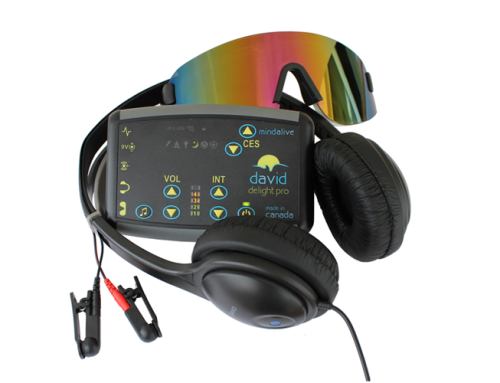
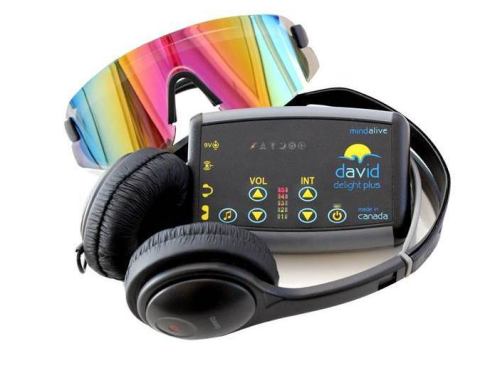
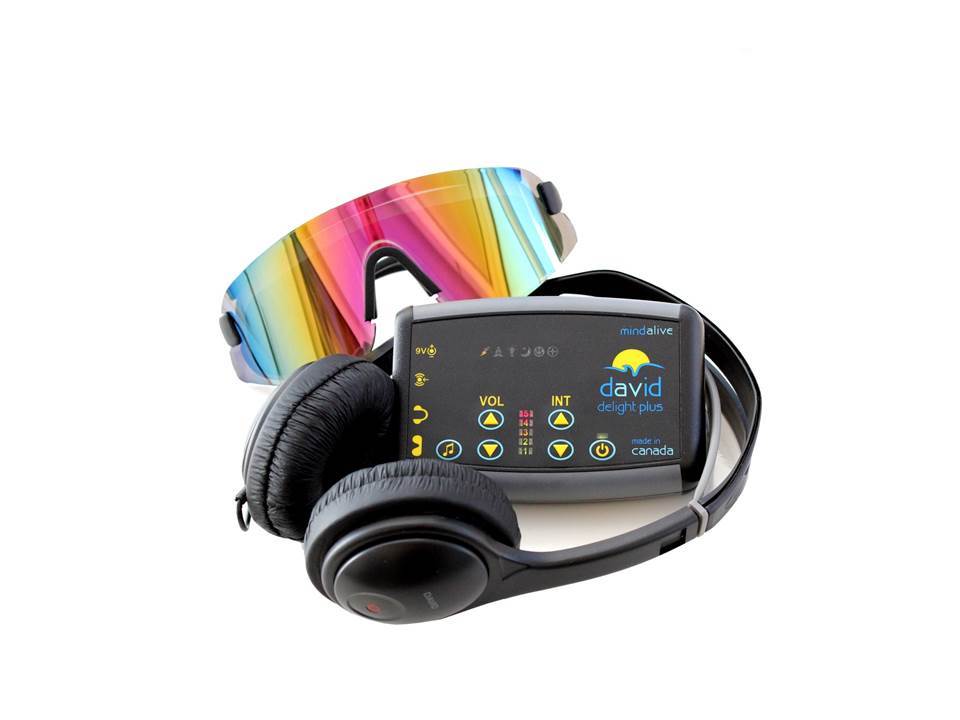
AVE-based brain training stimulates the brain with rhythmic light and sound pulses, which, with regular use, can help improve cerebral blood flow and neural communication. The method is especially popular among older adults, where the goal is often to preserve memory and slow cognitive decline. It’s important to stress that Agytréner devices are not medical devices and don’t replace medical treatment – but as a complementary method, with regular use, many people experience improvements in mental sharpness, memory, and mood.
What else can you do for your brain’s health?
The best results in brain development come from conscious attention across every area of life: quality sleep, regular physical exercise, learning new skills, and social connection all contribute to preserving the brain’s flexibility. Brain training can be a measurable, personalizable complementary tool that fits alongside these habits – especially for those who want concrete, objective feedback on their own progress. You don’t need to change everything at once: even gradually introducing one new habit at a time can make a measurable difference in mental performance, and this process can practically be started at any age, at any time.
Next Step
Curious how brain training can support your brain’s health, at any life stage? Book a free phone consultation!
References:
Draganski, B. et al. (2004): Neuroplasticity: changes in grey matter induced by training. Nature, 427, 311–312.
Doidge, N. (2007): The Brain That Changes Itself. Viking Press.
Berg, K. & Siever, D. (2004): A controlled study of audio-visual entrainment for the treatment of seasonal affective disorder. Journal of Neurotherapy, 8(2), 5–18.