
Sports Performance and Brain Training
What Cannot Be Acquired in the Gym
For parents, coaches, and ambitious young athletes
⚽ Material also containing our own research results | Based on a 2018 presentation to the Hungarian Sports Medicine Association
Physical preparedness is necessary, but not sufficient on its own. Anyone who has trained for many years and reached a certain level knows exactly: competitions and decisive moments are no longer primarily about muscles. The question is what the brain can do under pressure — tired, in front of a noisy crowd, when every decision counts.
This article shows how cognitive performance — decision speed, sustained attention, focus — can be developed on a scientific basis. We also present our own research results: statistically significant improvements measured in 11 athletes over 6 weeks.
The Training No One Sees
Most of a young athlete’s day is spent on physical and technical training. Coaches measure sprint time, strength, endurance. But the state of the brain — attentional capacity, decision-making speed, focus, adaptive thinking — is almost never measured.
This gap is especially glaring in team sports, where situations change second by second. Adaptive thinking — the brain’s ability to instantly rewrite its plan when reality unfolds differently — is a critical factor in ball games. Anyone who leaves this underdeveloped will keep repeating their practiced patterns even when the situation calls for something else.
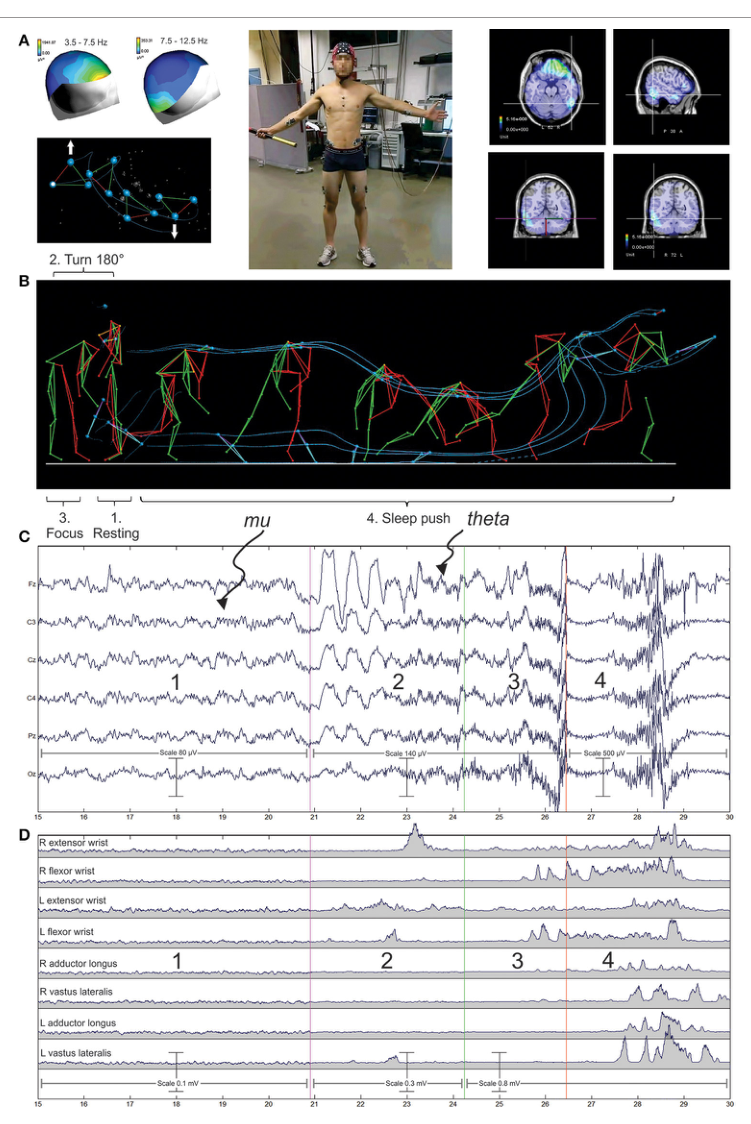
Figure 1: Athlete equipped with EEG during a neurological measurement | Cheron et al. (2016) — Frontiers in Psychology
Brainwaves and Sports Performance: What Does EEG Measure?
EEG measures the brain’s electrical activity in real time. Research has clearly identified brainwave patterns associated with peak performance — and ones that signal performance decline.
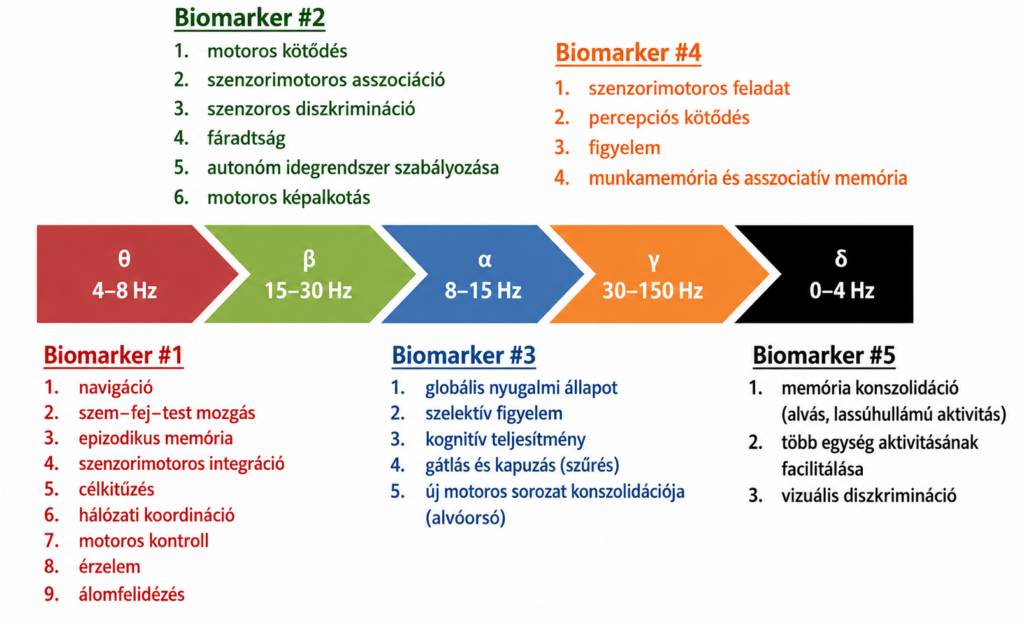
Figure 2: The 5 most important EEG biomarkers in sports performance | Cheron et al. (2016)
4–8 Hz
Theta
Working memory, passing decisions. Rises before shots in experts. The neural basis of tactical sequences.
8–13 Hz
Alpha
Relaxed focus, flow zone. Higher alpha is characteristic of successful performance. An indicator of the ideal competitive state.
14–30 Hz
Beta
Active decision-making. Excessively high beta causes anxiety and decision freeze in critical situations.
1–4 Hz
Delta
Deep sleep, regeneration. Higher delta amplitude was measured at rest in ball-game athletes.
Source: Cheron et al. (2016) — EEG Biomarkers of Sport Performance; Baumeister et al. (2008); Doppelmayr et al. (2008)
✅ OUR OWN RESEARCH RESULT | Congress of the Hungarian Sports Medicine Association, Budapest, 2018.07.08.
We examined the effects of 6 weeks of AVS training in 11 athletes (9 male, mean age M=21 years, SD=9), from mixed sports. We worked in a structure of 1st assessment — 6 weeks of AVS training — 2nd assessment. The cognitive values showed a trend-like improvement, and in four areas we achieved a statistically significant (p<0.05) improvement.
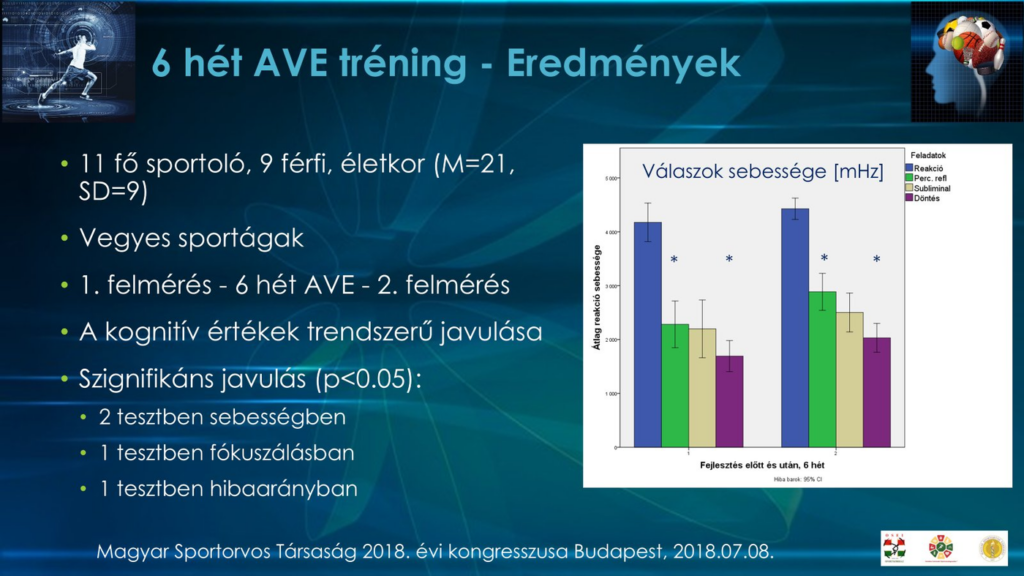
Figure 3: Response speed — before and after 6 weeks of AVS training | Own research, Congress of the Hungarian Sports Medicine Association, 2018
What Did We Measure and What Did We Get?
The measurements examined response speed, focus, and error rate across four cognitive task types: reaction, perceptual reflection, subliminal processing, and decision speed.
| Measured Area | Result | Significance |
|---|---|---|
| Reaction speed | Improved | p<0.05 |
| Subliminal processing speed | Improved | p<0.05 |
| Focus (efficiency index) | Increased | p<0.05 |
| Error rate | Decreased | p<0.05 |
| Perceptual reflection speed | Trend-like improvement | trend |
| Decision speed | Trend-like improvement | trend |
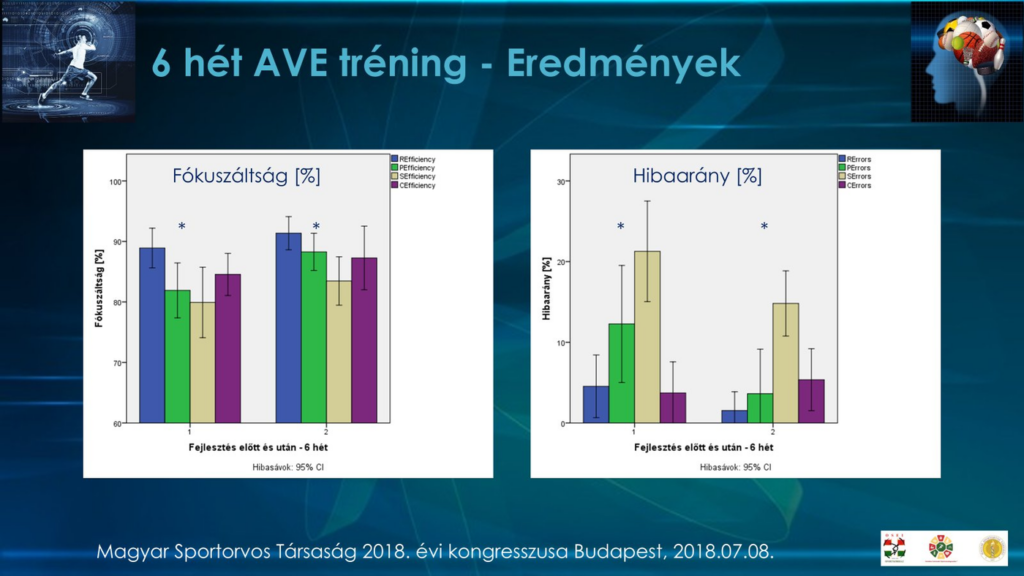
Figure 4: Focus and error rate — before and after 6 weeks of AVS training | Own research, Congress of the Hungarian Sports Medicine Association, 2018
The arousal curve: why does someone collapse under pressure?
The arousal curve has long been known in sports psychology — the relationship between alertness level and performance. The curve forms a bell shape: under-focused, one cannot concentrate sufficiently, and over-aroused, performance likewise declines. The best performances arise in the optimal zone.
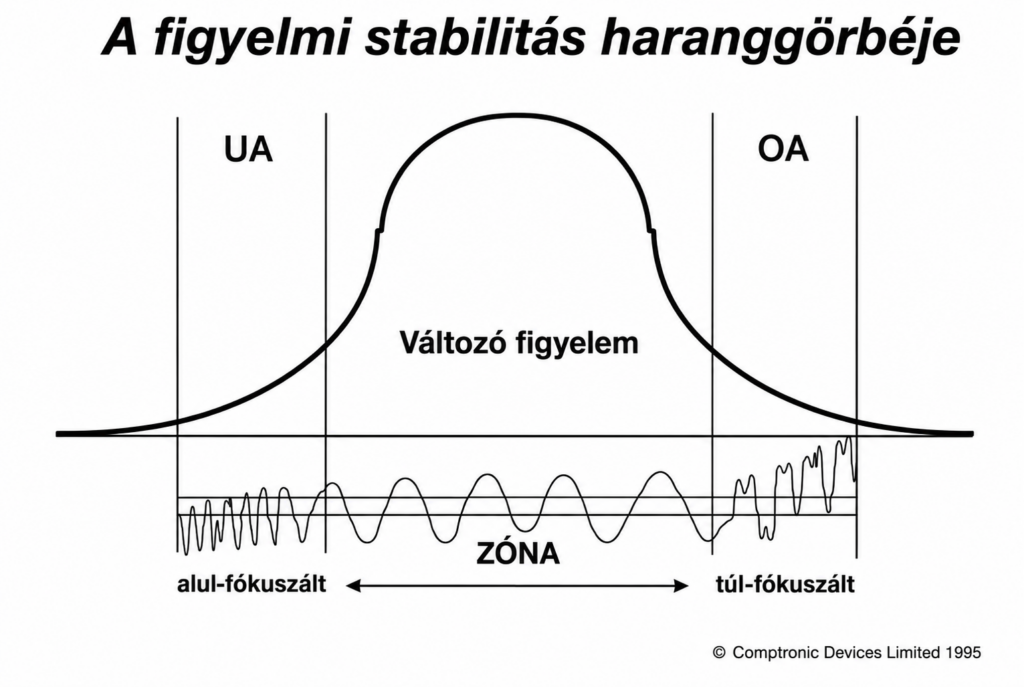
Figure 5: The bell curve of attentional stability — the ideal performance zone (ZONE) between under-focused and over-focused states | Siever / Comptronic Devices, 1995
Why AVS? The scientific mechanism
At the center of the Agytréner system is Audio-Visual Stimulation (AVS). The retina of the eye senses rhythmic changes in light, which reach the cerebral cortex via the thalamus. Within six to eight minutes, the brain tunes into the target frequency. This is not an effect forced on the brain from outside — the brain adjusts its own rhythms to the target frequency.
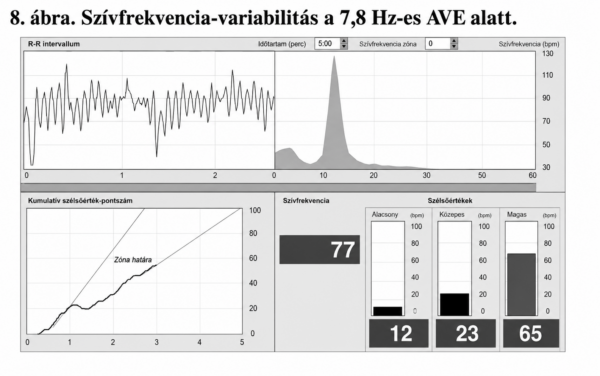
Figure 6: Changes in muscle tension (EMG) and peripheral temperature under the effect of AVS — physiological signs of the autonomic nervous system calming | Hawes (2000), cited in Siever (2016)
What exactly does it develop?
Adaptive thinking and decision speed
Adaptive thinking means that the brain instantly rewrites its script when the situation changes. In our own measurements, both reaction speed and decision speed improved — this is precisely the neural basis of adaptive thinking.
Subliminal processing — the ability called “instinct” on the field
Subliminal processing is the process by which the brain interprets incoming stimuli even below the threshold of conscious attention — the intent readable from the opponent’s movement, the opportunity following from a teammate’s position. In ball games this is called instinct. In our study, subliminal processing speed improved significantly.
Focus under pressure
The focus efficiency index shows what proportion of the brain is truly working on the task, and what proportion is scattered elsewhere. After 6 weeks of training, focus increased significantly. In competition this means that noise, the crowd, and the stakes distract less from the task.
Recovery and sleep quality
Post-training development is consolidated during sleep. Based on a controlled study, after a 10-day AVS program, falling-asleep speed improved by 80%, the proportion of delta sleep increased significantly, and the morning restedness value rose above 70%.
4
areas of significant improvement (p<0.05) within 6 weeks
11
athletes, confirmed with before-after measurement, 2018
6 weeks
for measurable, lasting cognitive improvement
Experiences from athletes
There is currently no published feedback available from footballers — this area is under development. However, a rich body of experience has been gathered from our other athlete clients and from international users of the DAVID device.
The 6-week program: measurement, training, re-measurement
The Agytréner system prepares an individual assessment for every athlete. Based on the measurement results, a personalized, 6-week training plan is created — because the same program produces different results for different brainwave patterns.
Interested in the program?
Request a phone consultation — we’ll discuss how the program fits into the athlete’s individual development plan.
or call us: +36 30 996 3185
Scientific references: Own research: Congress of the Hungarian Society of Sports Medicine 2018, Budapest, 2018.07.08. | Cheron et al. (2016): EEG Biomarkers of Sport Performance. Frontiers in Psychology. | Beauchamp (2010): Biofeedback and Neurofeedback Applications in Sport Psychology. | Siever, D.: Sports Enhancement and the Use of Audio-Visual Entrainment. MindAlive Inc. | Szabó G. & Szabó Cs.: Az audiovizuális stimuláció alkalmazási területei. | Hawes (2000): Forearm sEMG and peripheral temperature during AVE, cited in Siever (2016).