

Focus, momentum and balance at work
A sound and light-based relaxation program – at home, in comfort

A few minutes of calm and recharging each day – for focused, balanced workdays.
Audio-visual stimulation (AVS) works with rhythmic light and sound impulses. It has long been known from EEG research that the brain’s electrical activity can follow a rhythmic light stimulus[1]. Agytréner programs are relaxation and wellbeing-focused programs built on this phenomenon.

Focused,
even in the busiest of tasks.

After work,
true unwinding.

With momentum,
all the way through the day.

What does audio-visual stimulation offer alongside demanding workdays?
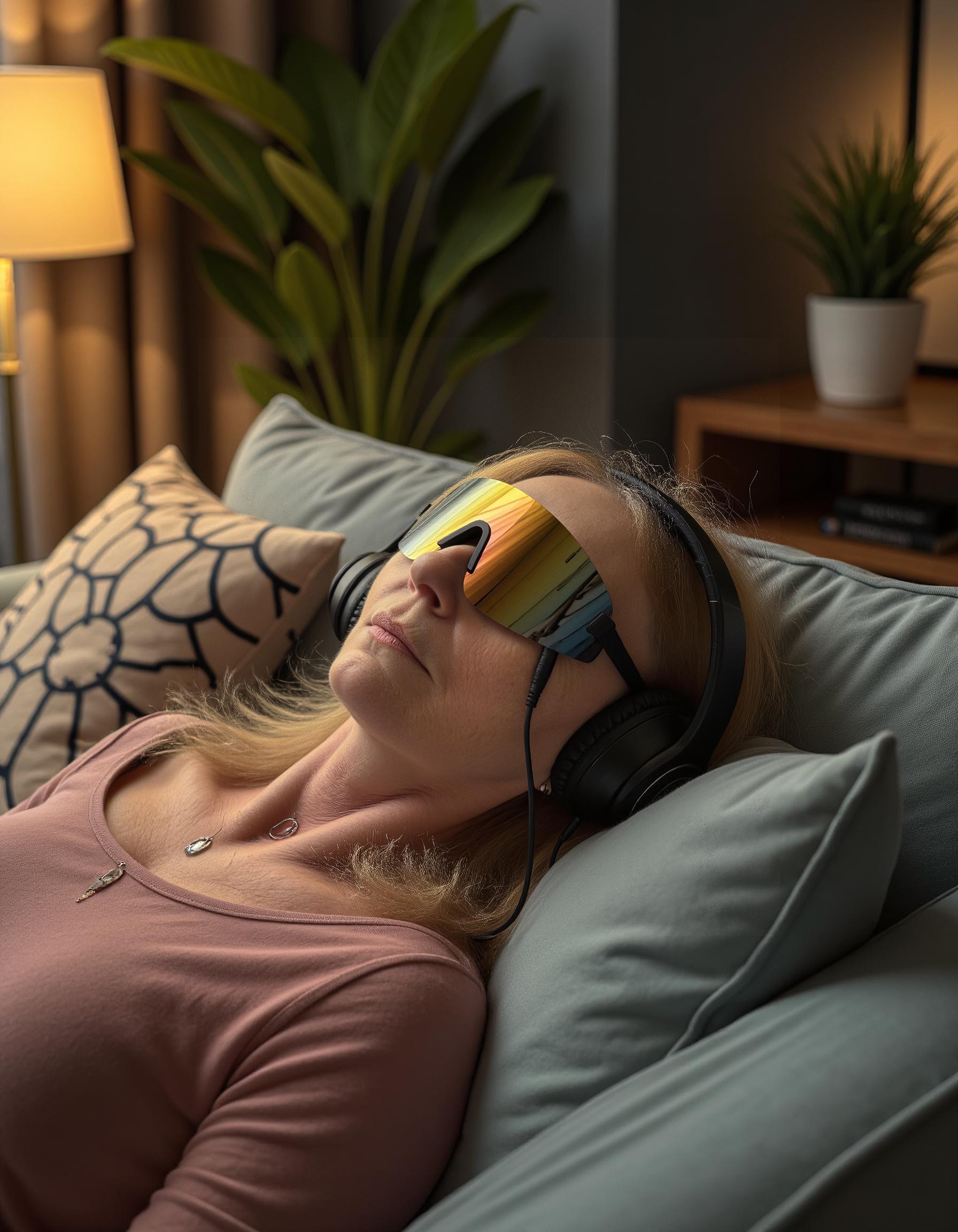
The Agytréner program works with audio-visual stimulation (AVE) technology: light sources built into the glasses and the headphones deliver rhythmic light and sound impulses. It is a well-known phenomenon that the brain’s electrical activity can follow such rhythmic stimuli (known as photic and auditory entrainment)[1] – building on this, the programs offer relaxing, recharging, energizing and evening variants.
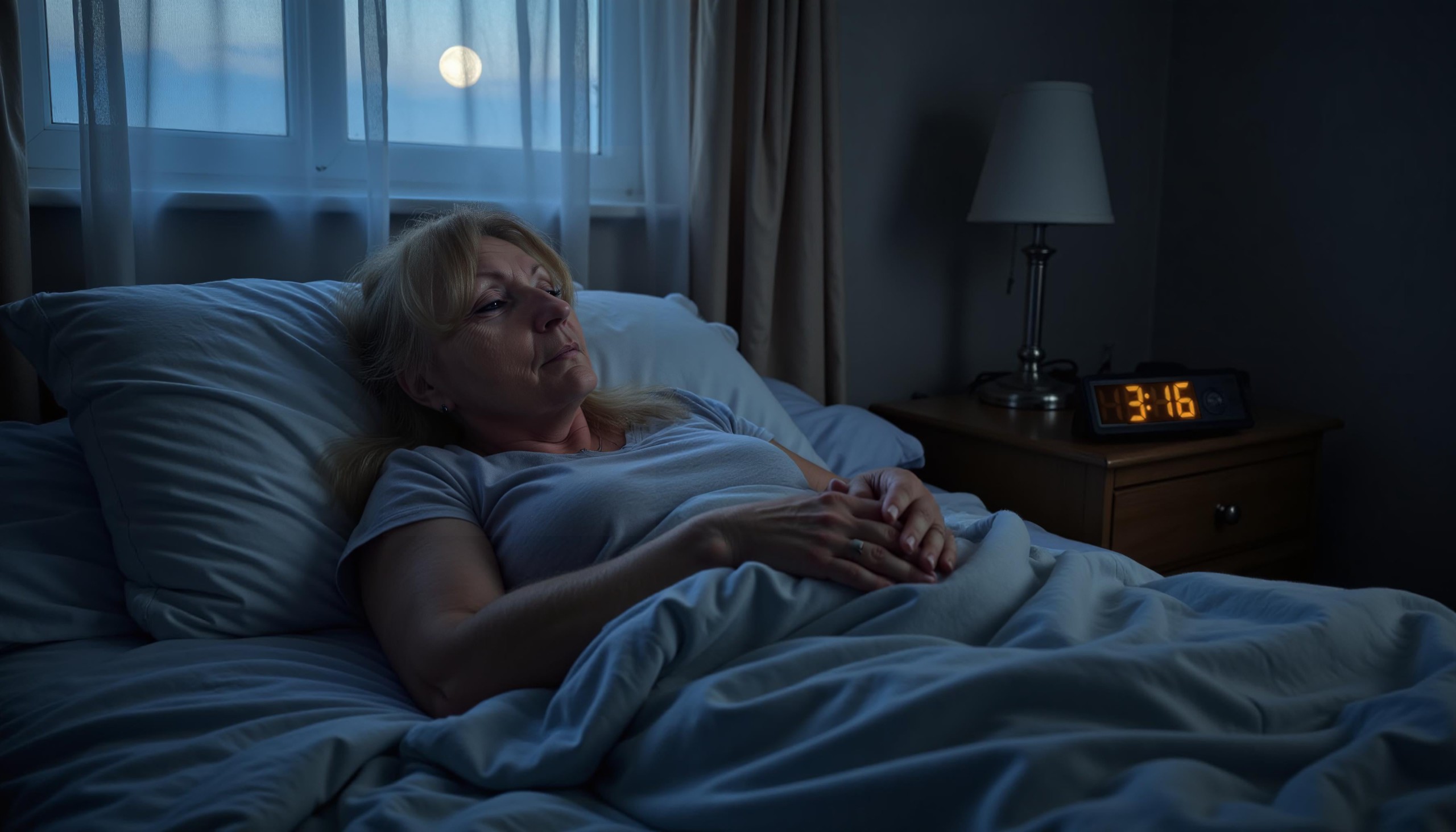
Roles that demand continuous concentration and major responsibility place a serious mental burden on people over the long term. Between deadlines, high expectations and constant availability, it’s easy to run out of momentum, and it becomes hard to switch off after work too. This is where a regular, calming daily routine can make a real difference – a bit of time set aside purely for rest and recharging.
Would you like to work with more focus, balance and energy?
it has been known in EEG research that the brain’s rhythm can follow flickering light[1]
summarizes the findings of the University of Debrecen’s independent, Hungarian-language AVS review[2]
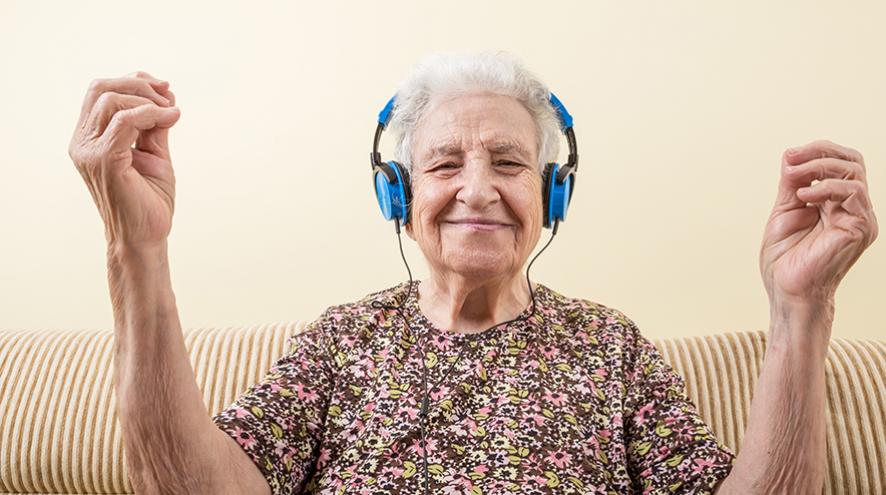
Imagine a quiet quarter-hour waiting for you at the end of the workday, devoted purely to rest and recharging – so that the next day you sit down to your tasks feeling fresher and more energized.
Take the first step toward more focused, more balanced workdays!
Discover how the Agytréner program works!
The key to the Agytréner program is its personalized approach. As a first step, a personal assessment helps us get to know your goals, daily habits, and the kind of programs you need at different times of day – whether that means focus-intensive work, unwinding after work, calming down in the evening, or refreshing yourself during the day.
Based on the assessment, we put together a personalized program plan and help you choose the right Agytréner device. With the device, you can do the program flexibly, from the comfort of your own home. The assessment is not a medical examination and does not replace a medical diagnosis.
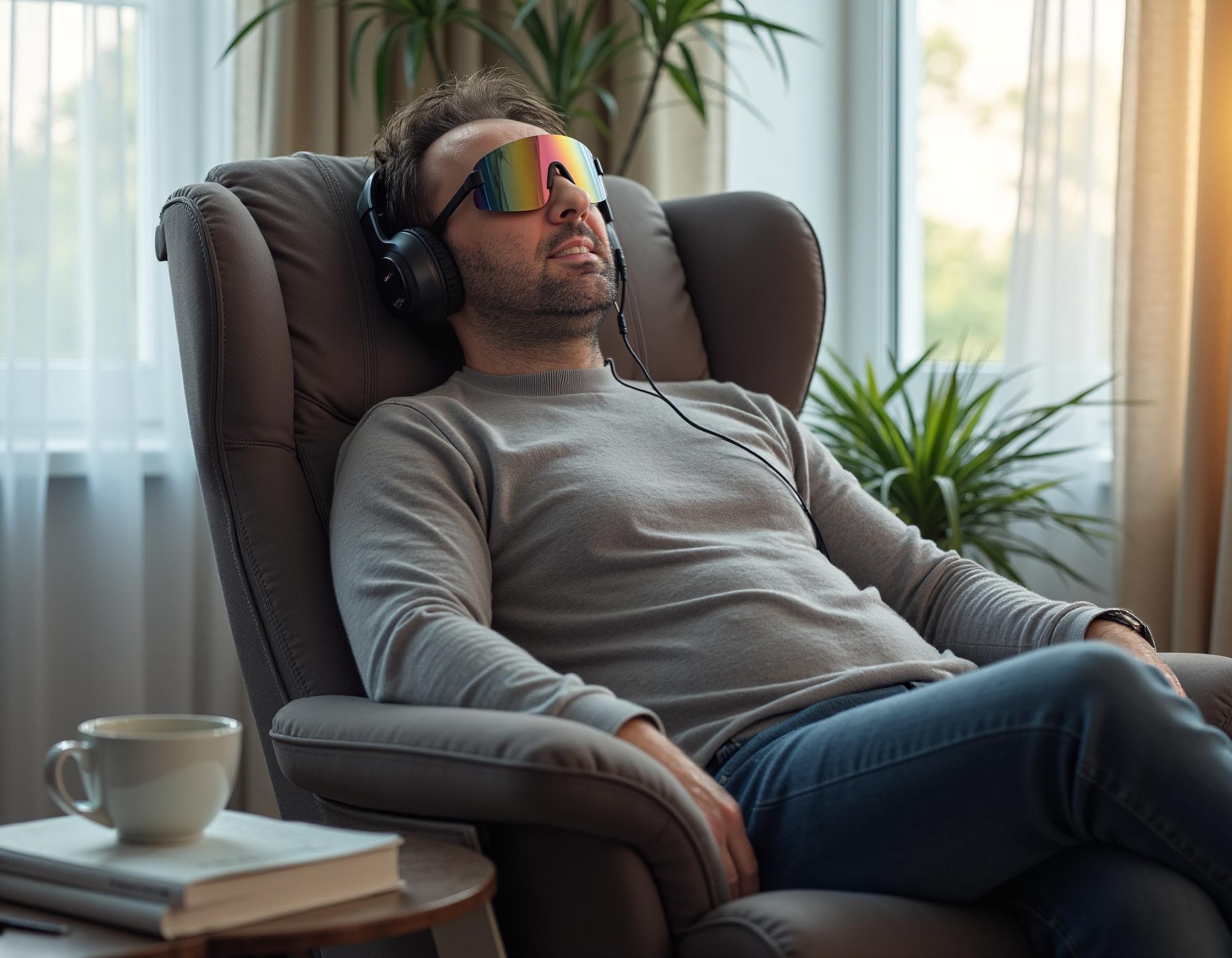
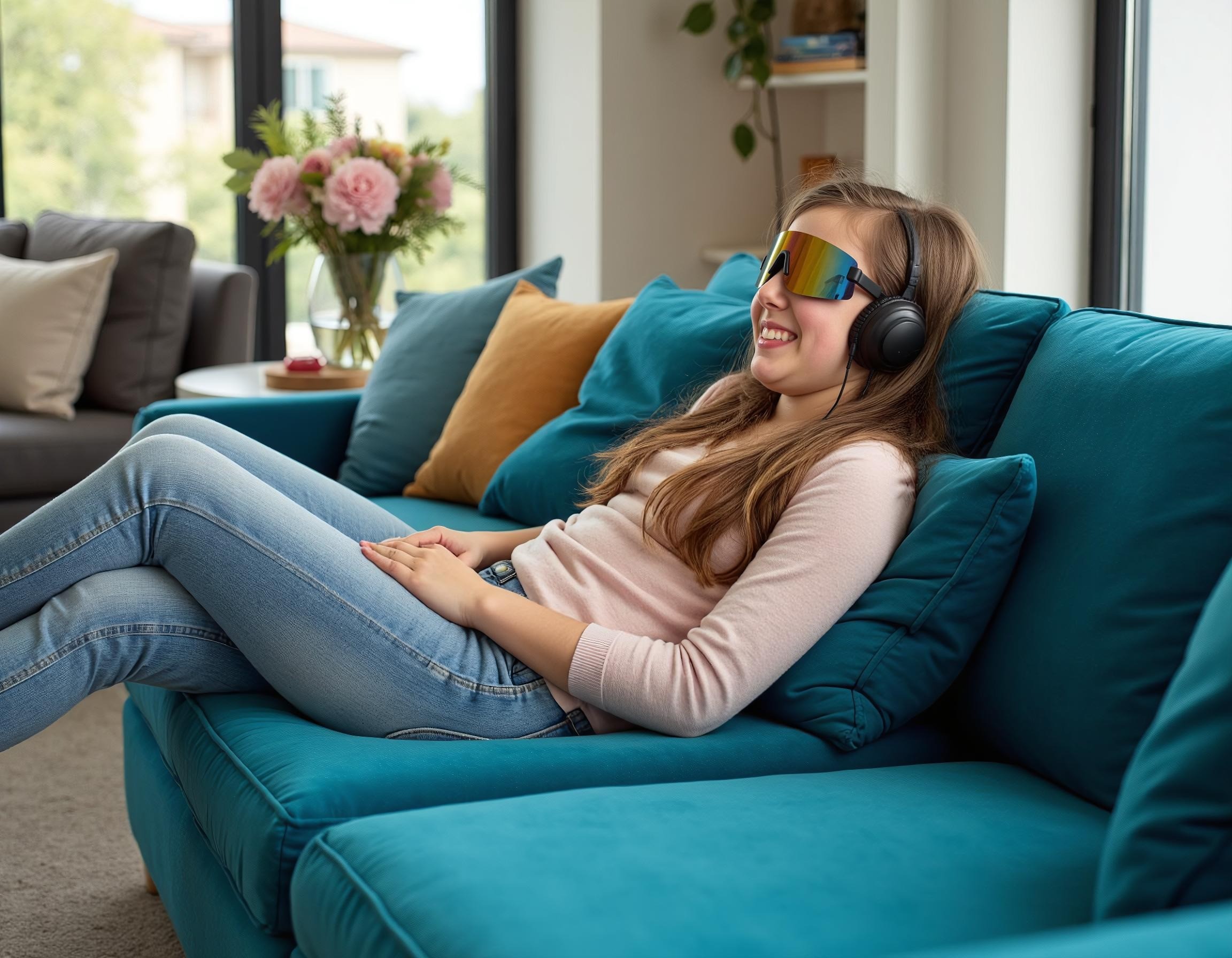
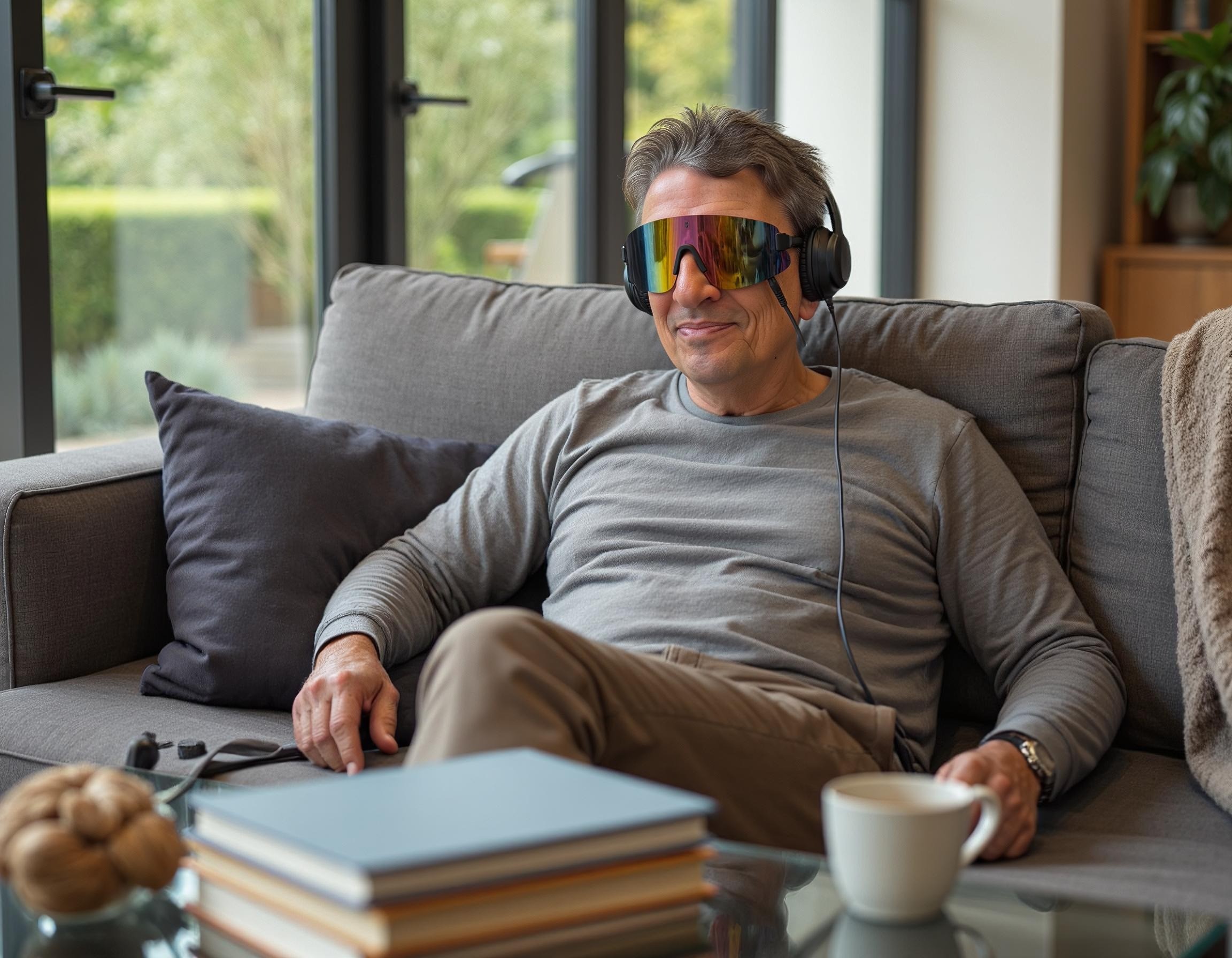
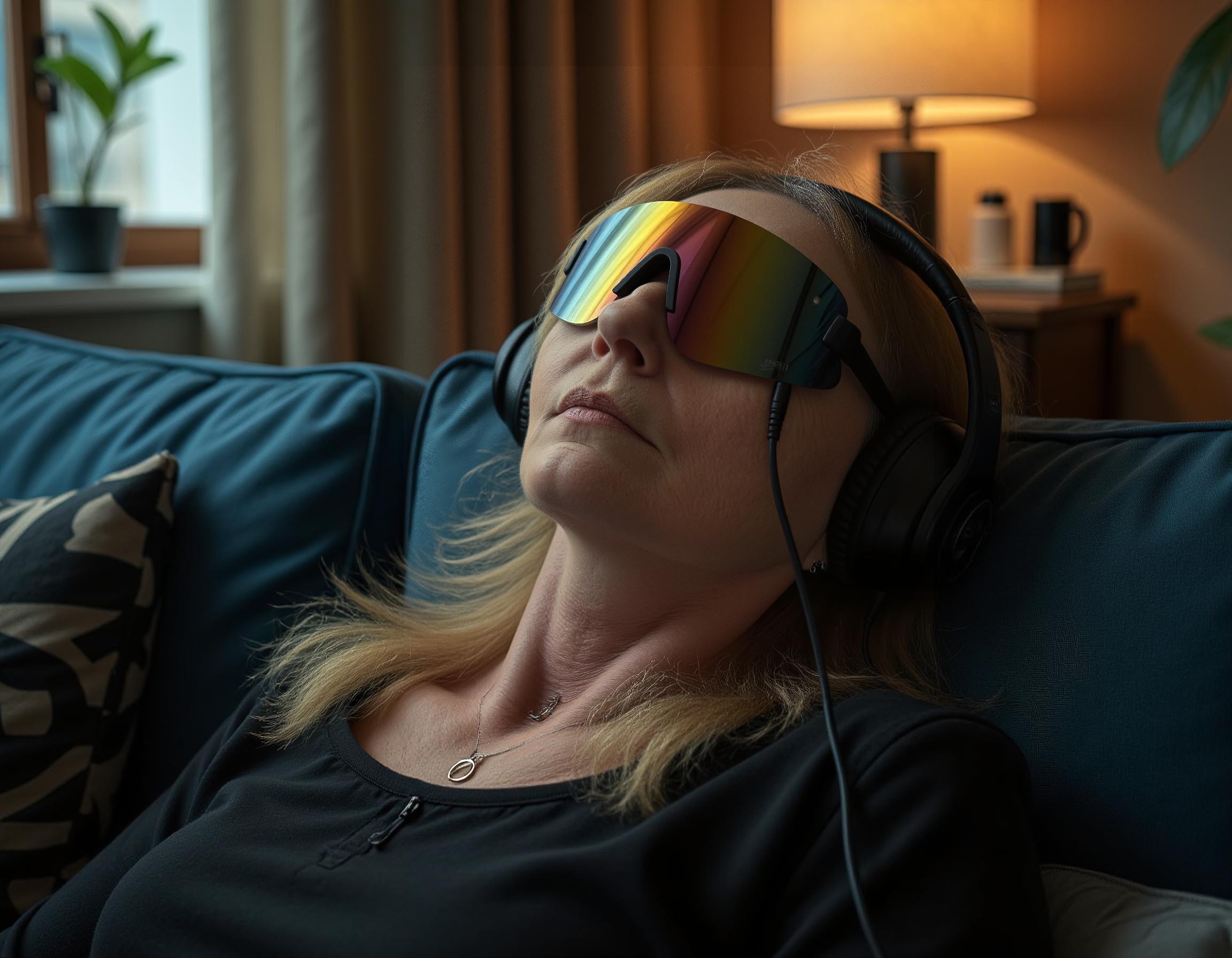
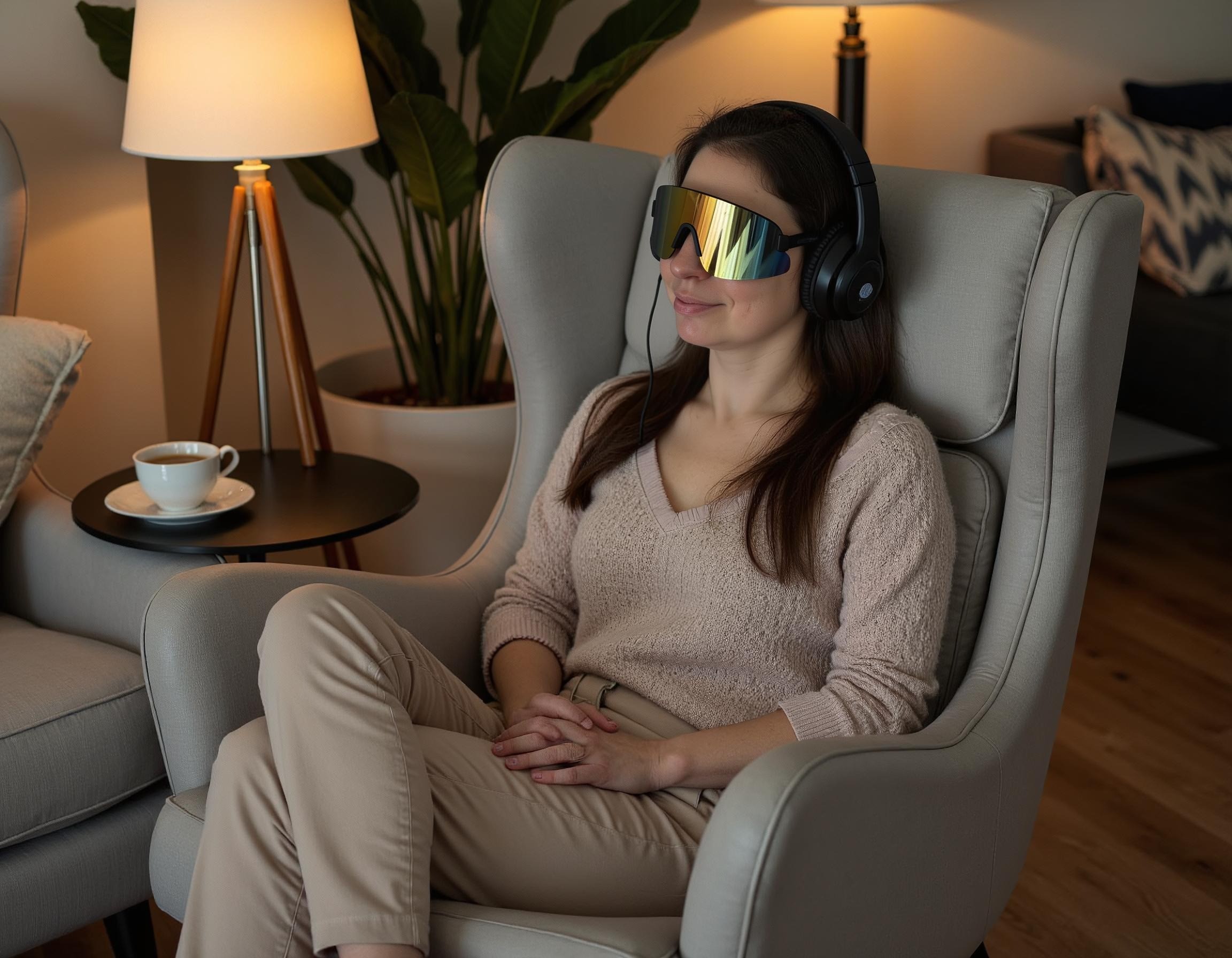
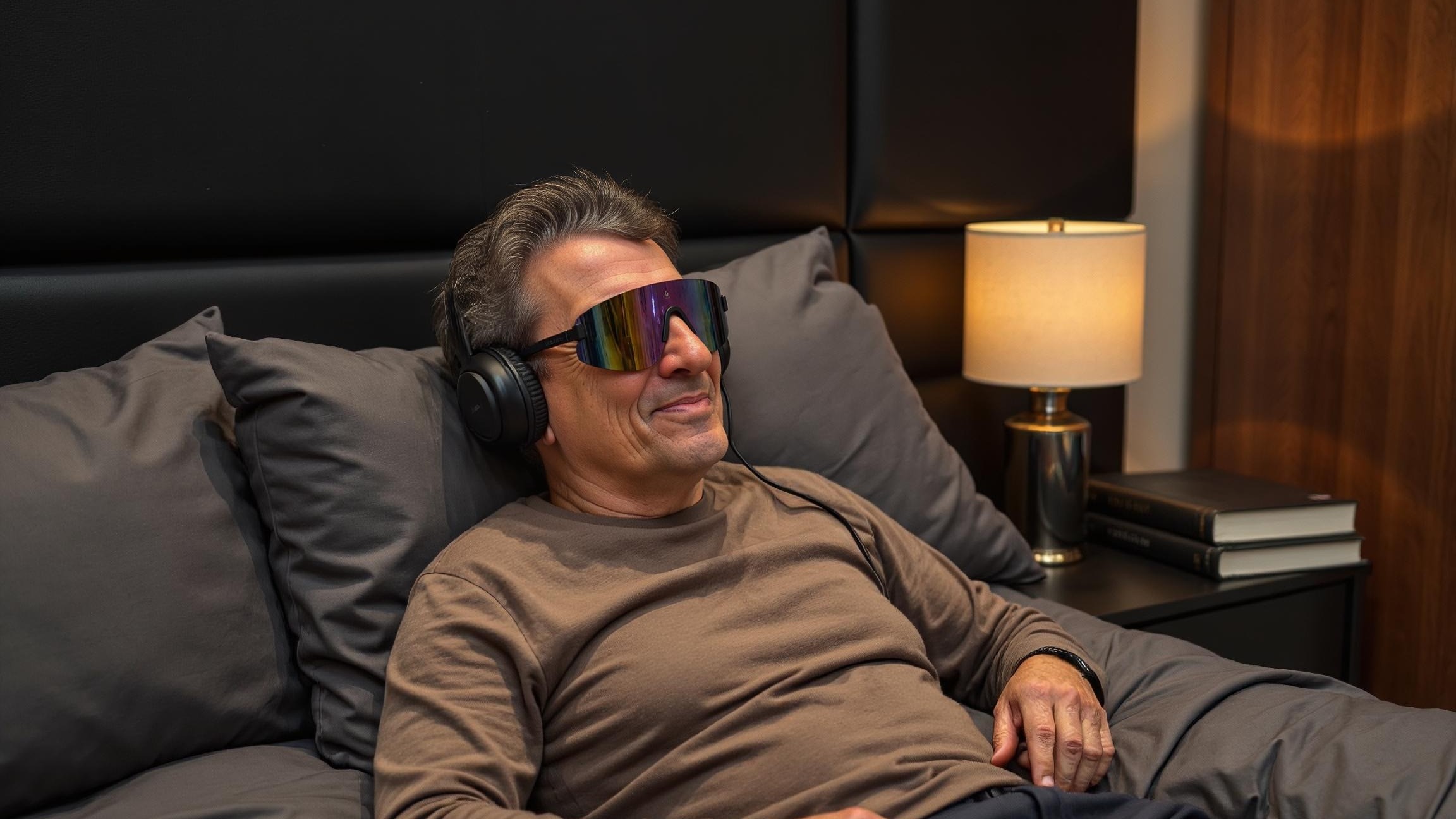
Give yourself a few minutes each day! Take the first step toward more focused, more balanced workdays!
The Agytréner Program Process
Personal assessment and individual relaxation program plan
1. Get in Touch
Contact us or book an appointment!
2. Personal Assessment
We get to know your goals and daily habits, and make recommendations based on them.
3. At-Home Program Plan
You do your personalized program at your own pace, in the comfort of your home.
4. Feedback and Fine-Tuning
We discuss your experience and adjust the program plan if needed.

Agytréner Devices – Programs and Options
Among the Agytréner devices, we recommend the DAVID Delight Plus and the DAVID Delight Pro. Both devices operate using audio-visual stimulation (AVE) technology; the DAVID Delight Pro also features CES (cranio-electro stimulation), which delivers a gentle, additional micro-current stimulus through ear-clip electrodes.
Discover what the Agytréner devices can offer, and let’s find the solution best suited to you, together!
Internationally recognized, multiple award-winning device
Technology Innovation Grand Prize 2015

“2012 Light and Sound Mind Machine” – winner in multiple categories
Out of 12 categories, it won the following 5:
- Best light-and-sound device
- Best CES device
- Best solution
- Tru-Vu Omniscreen Multi-Color glasses – best accessory
- Outstanding light-and-sound device manufacturer


Hivatkozások
Az oldalon szereplő, az audio-vizuális stimuláció (AVS/AVE) hatásaira vonatkozó állítások forrásai. A gyártóval (Mind Alive Inc.) kapcsolatban álló szerzők anyagait külön jelöljük.
- Siever, D. & Collura, T. (2017): Audio–Visual Entrainment: Physiological Mechanisms and Clinical Outcomes. In: Rhythmic Stimulation Procedures in Neuromodulation, Elsevier, 51–95. DOI: 10.1016/B978-0-12-803726-3.00003-1. Társszerző a gyártó alapítója. Kiegészítve: Collura, T. F. & Siever, D.: Auditory-visual entrainment in relation to mental health and EEG. In: Introduction to QEEG and Neurofeedback, Ch. 8 – itt ismertetik Adrian és Matthews (1934) megfigyelését arról, hogy az agy alfa-ritmusa fotikus ingerléssel vezérelhető.
- Szabó Gergely – Szabó Csaba (2014): Az audiovizuális stimuláció gyakorlati felhasználási területei. Debreceni Egyetem BTK Pszichológiai Intézet (TÁMOP 4.2.4.A/2-11-1-2012-0001). 24 lektorált tanulmány áttekintése; gyártótól független. A szerzők a módszertani következetlenségek miatt jobban kontrollált vizsgálatokat javasolnak.
- Fábián, T. K., Kovács, K. J., Gótai, L., Beck, A., Krause, W-R. & Fejérdy, P. (2009): Photo-acoustic stimulation: theoretical background and ten years of clinical experience. Contemporary Hypnosis, 26(4): 225–233. DOI: 10.1002/ch.389 – Semmelweis Egyetem, MTA KOKI; gyártótól független.
- Furtado da Silva, V., Ribeiro, A. P., dos Santos, V. A., Nardi, A. E., King, A. L. S. & Calomeni, M. R. (2015): Stimulation by Light and Sound: Therapeutic Effects in Humans. Systematic Review. Clinical Practice & Epidemiology in Mental Health, 11: 150–154. Gyártótól független; a szerzők jelzik a bevont vizsgálatok alacsony számát.
- Tang, H-Y., Vitiello, M. V., Perlis, M. & Riegel, B. (2015): Open-Loop Neurofeedback Audiovisual Stimulation: A Pilot Study of Its Potential for Sleep Induction in Older Adults. Applied Psychophysiology and Biofeedback, 40: 183–188. DOI: 10.1007/s10484-015-9285-x – gyártótól független; kis mintás (8 fő), kontrollcsoport nélküli pilotvizsgálat.
Fontos tájékoztatás. Az Agytréner készülékek relaxációs és közérzetjavító célú, nem orvostechnikai eszközök. Nem alkalmasak betegség megelőzésére, felismerésére, kezelésére vagy gyógyítására, és nem helyettesítik az orvosi vizsgálatot, diagnózist vagy kezelést. Fennálló panasz vagy betegség esetén, illetve gyógyszerszedés mellett a használat előtt kérje kezelőorvosa véleményét. A készüléket nem használhatja epilepsziában vagy fényérzékeny rohamra való hajlam esetén, továbbá szívritmus-szabályozóval vagy más beültetett elektronikus eszközzel élő személy; a CES-funkciót várandósság alatt nem javasoljuk. A leírt tapasztalatok egyéni felhasználói visszajelzések, nem garantált eredmények.