

Balanced Mood and Recharging
Sound- and light-based relaxation program – at home, in comfort
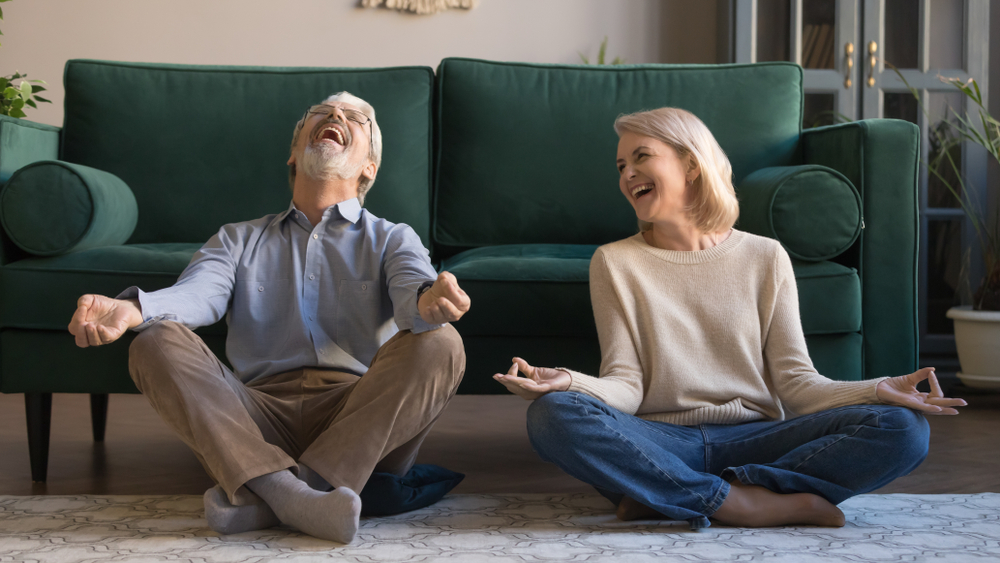
A few minutes of calm and recharging each day – for a more balanced, more energetic everyday life.
Audio-visual stimulation (AVS) works with rhythmic light and sound stimuli. It has long been known from EEG research that the brain’s electrical activity can follow a rhythmic light stimulus[1]. Agytréner programs are relaxation and mood-enhancing programs built on this phenomenon.

A calm morning,
an energetic day.
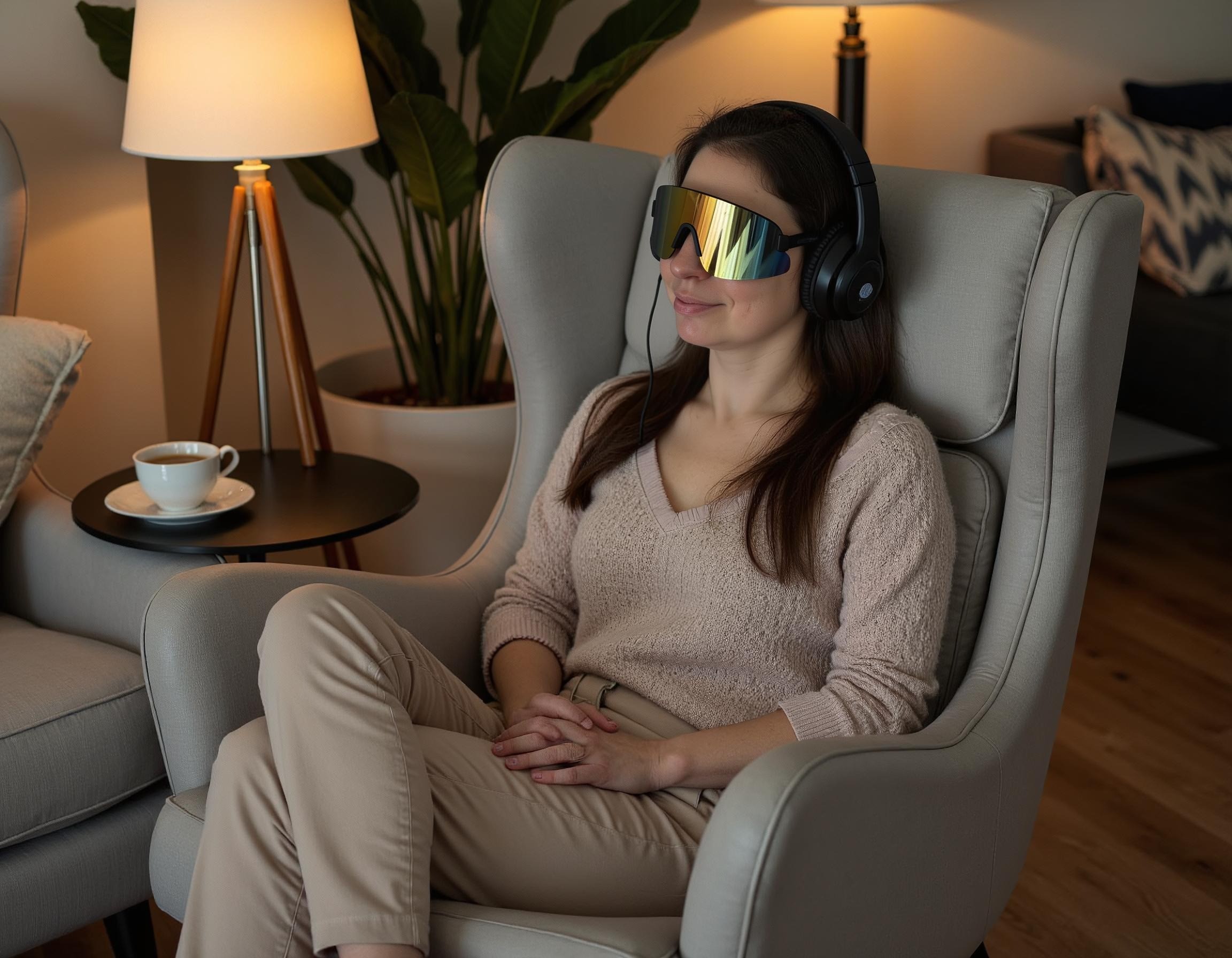
Time for yourself,
quietly, undisturbed.
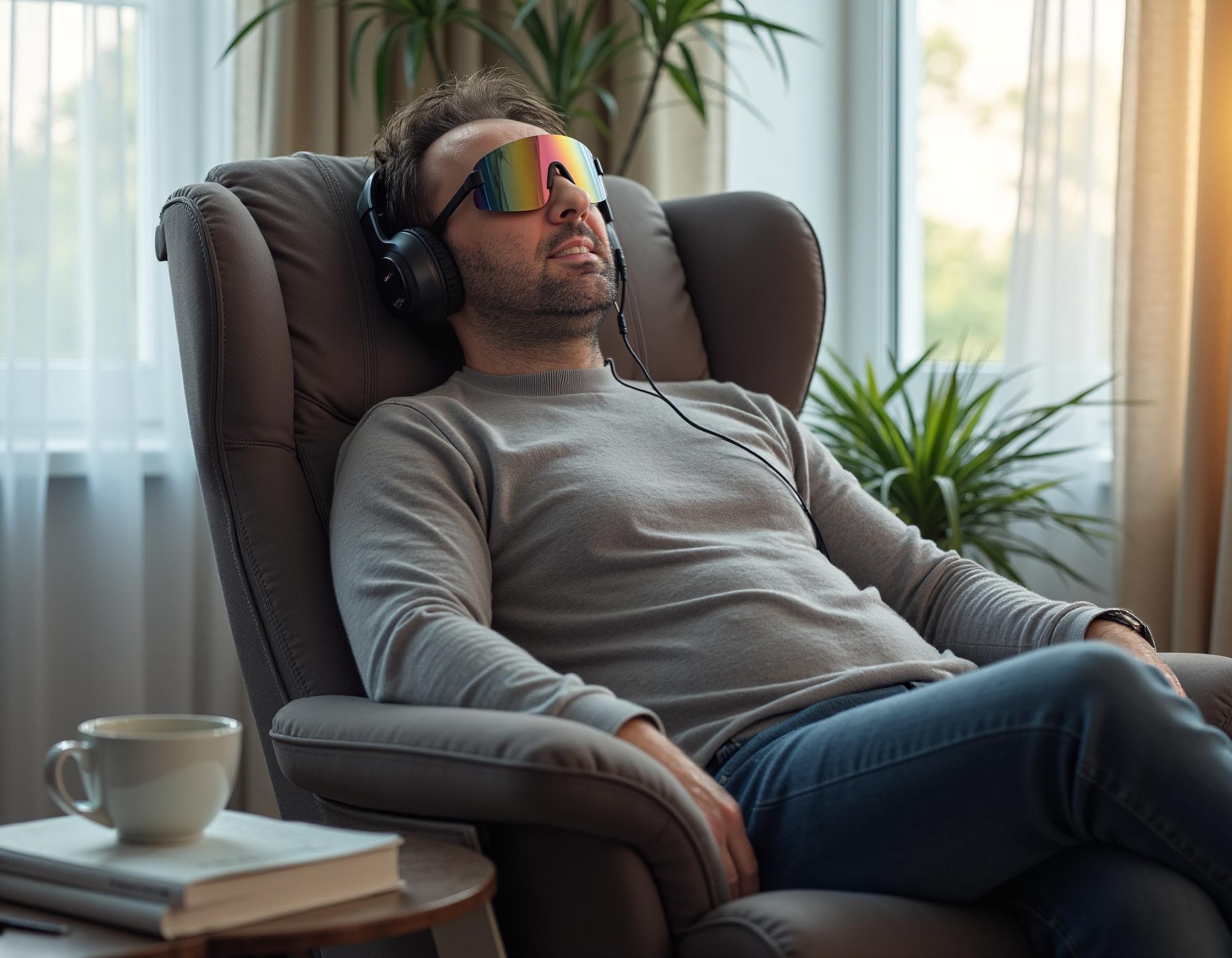
Recharged
for the small joys of the day.
What does audio-visual stimulation offer for a more balanced everyday life?
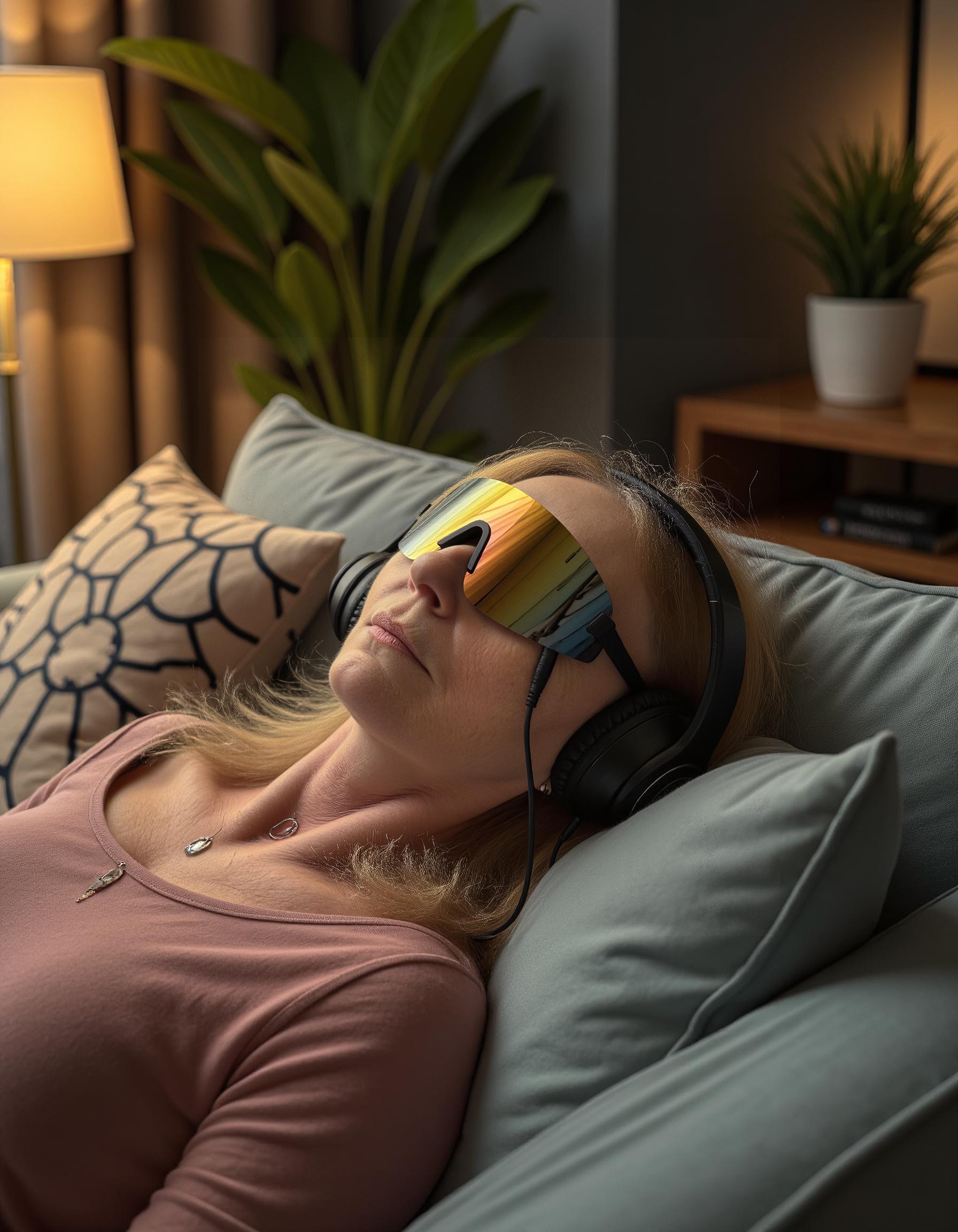
The Agytréner program works with audio-visual stimulation (AVE) technology: the light sources built into the glasses and the headphones deliver rhythmic light and sound impulses. It is a well-known phenomenon that the brain’s electrical activity can follow this kind of rhythmic stimulus (so-called photic and auditory entrainment)[1] – building on this, the programs offer relaxing, recharging, invigorating, and evening variants.
The daily rush, along with work and family responsibilities, wears many people out. At such times, motivation runs low easily, and there’s less attention left for the things that bring joy. A regular, calm daily routine – a little time devoted purely to rest – can contribute a great deal to well-being and recharging.
Would you like calmer, more balanced, and more energetic days?
it has been known in EEG research that brain rhythms can follow flickering light[1]
summarized in the University of Debrecen’s independent, Hungarian-language AVS review[2]
Imagine your day beginning or ending with a calm, pleasant ritual: a quiet quarter hour devoted entirely to rest and recharging.
Take the first step toward a more balanced, more cheerful everyday life!
Discover how the Agytréner program works!
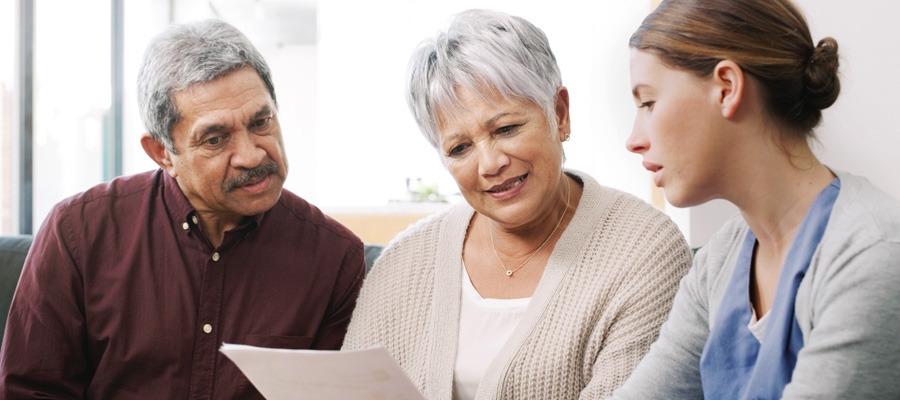
The key to the Agytréner program is its personalized approach. As a first step, in a personal assessment we get to know your goals and daily habits, and what kind of programs would suit you at different times of day – whether that means relaxation, recharging, winding down in the evening, or refreshing yourself during the day.
Based on the assessment, we put together a personalized program plan and also help you choose the right Agytréner device. With the device, you can do the program flexibly, from the comfort of your own home. The assessment is not a medical examination and does not replace a medical diagnosis.
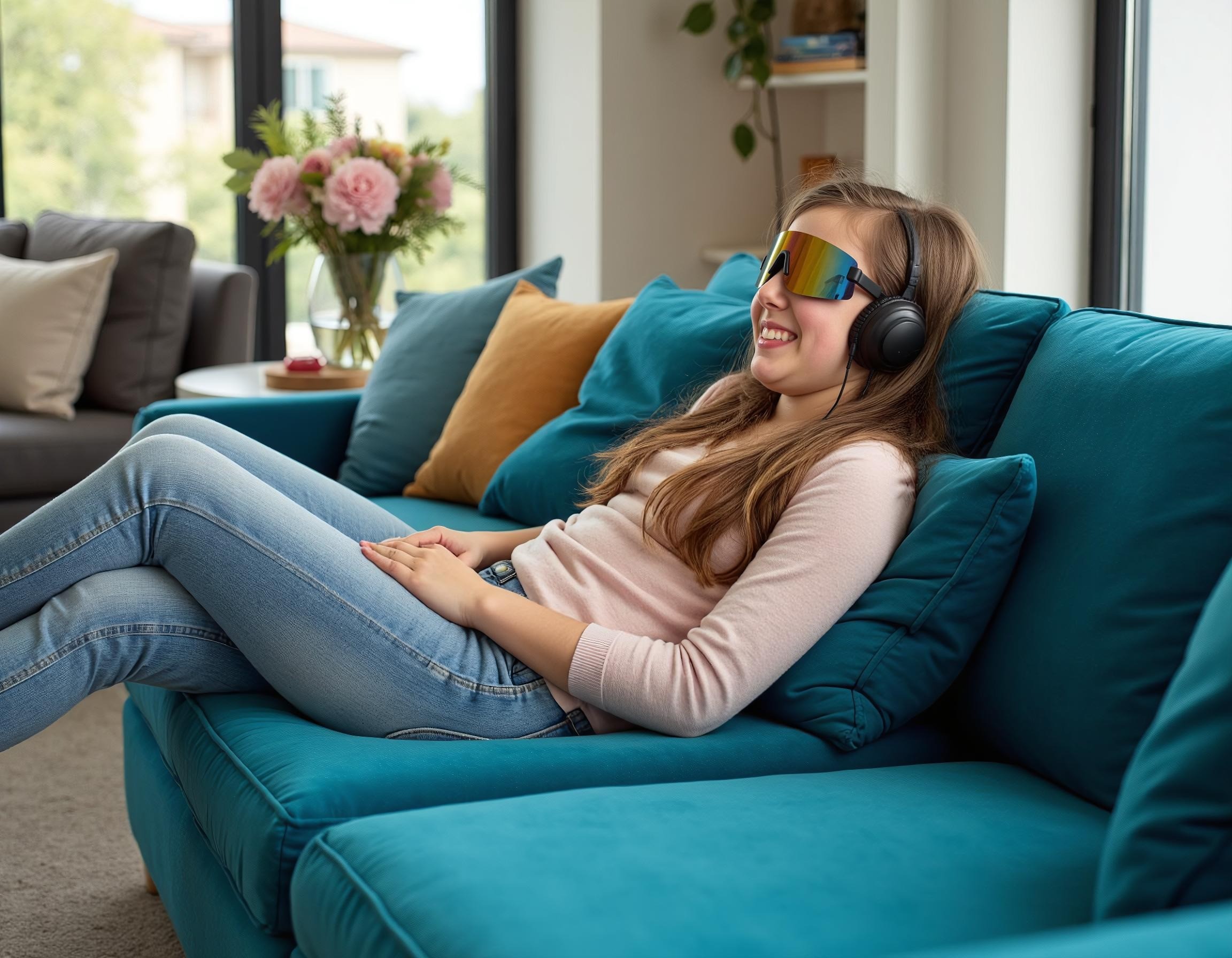
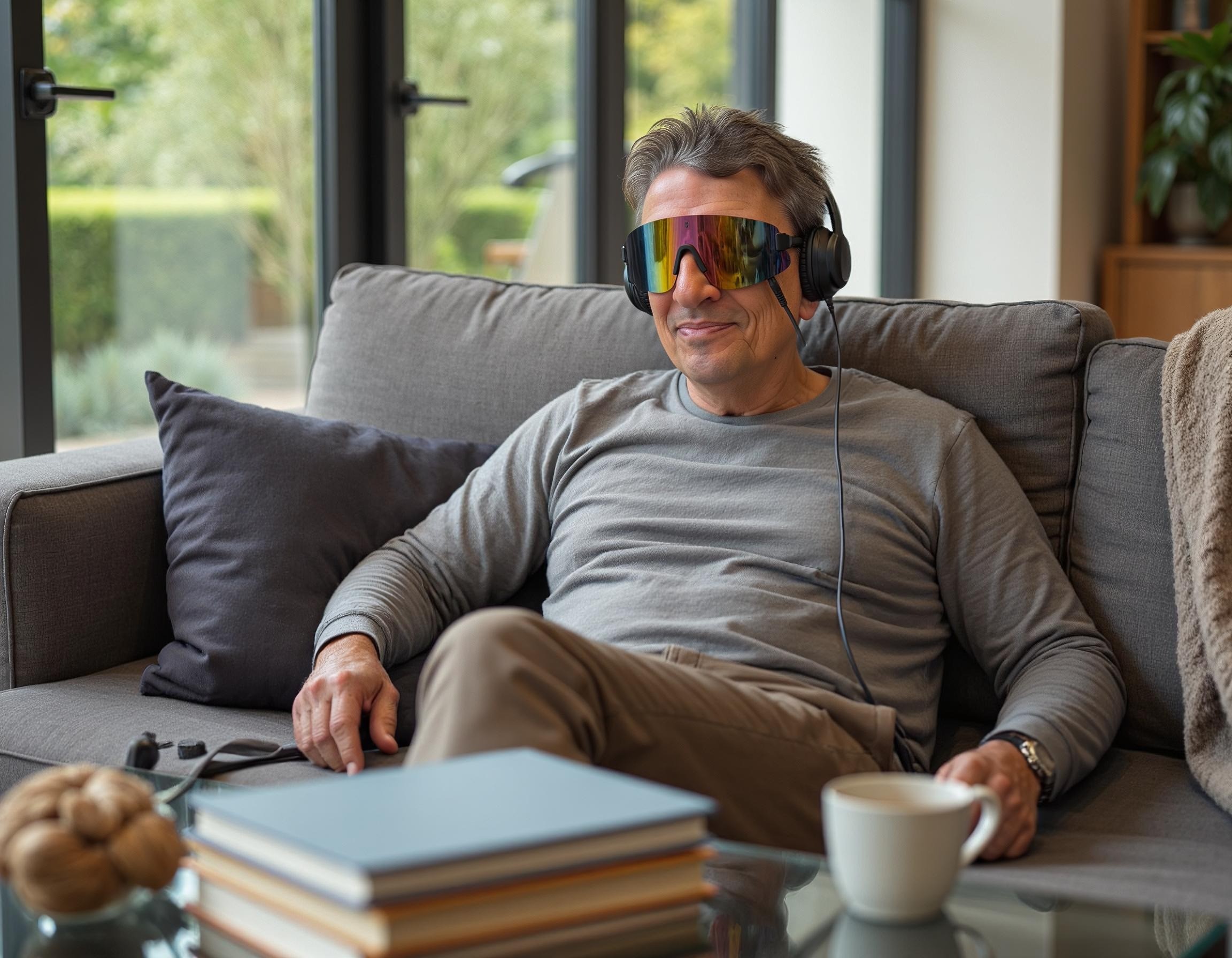
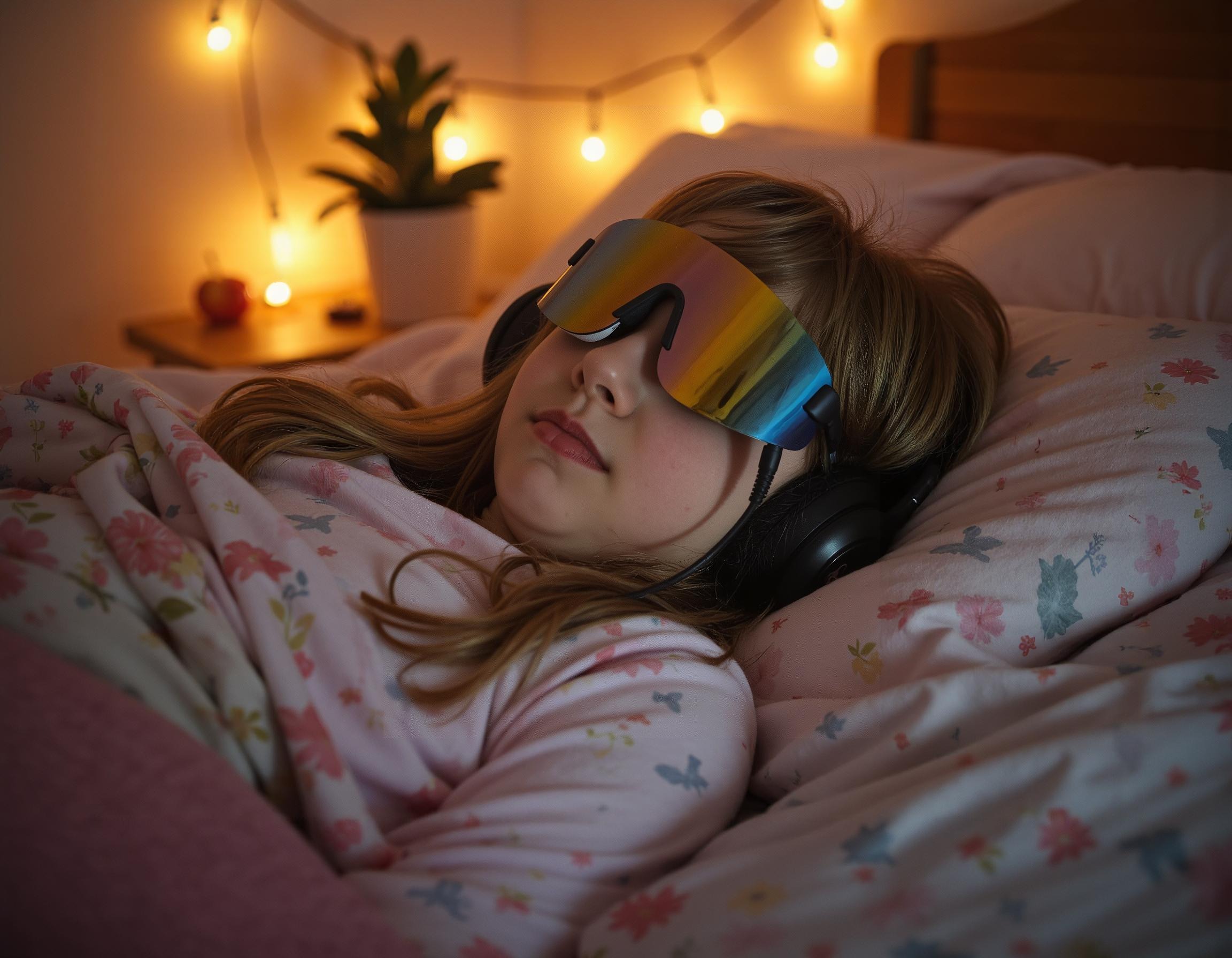
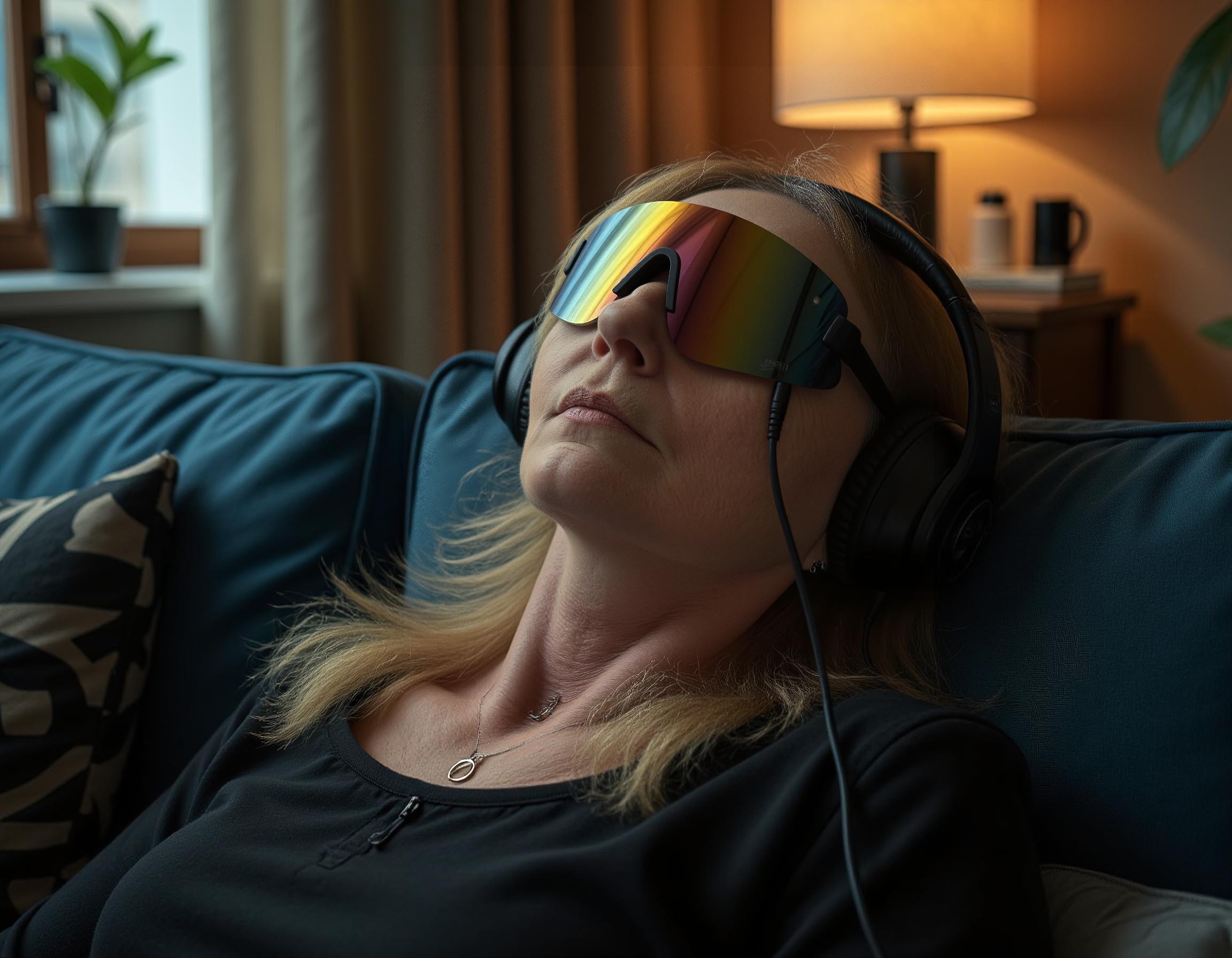
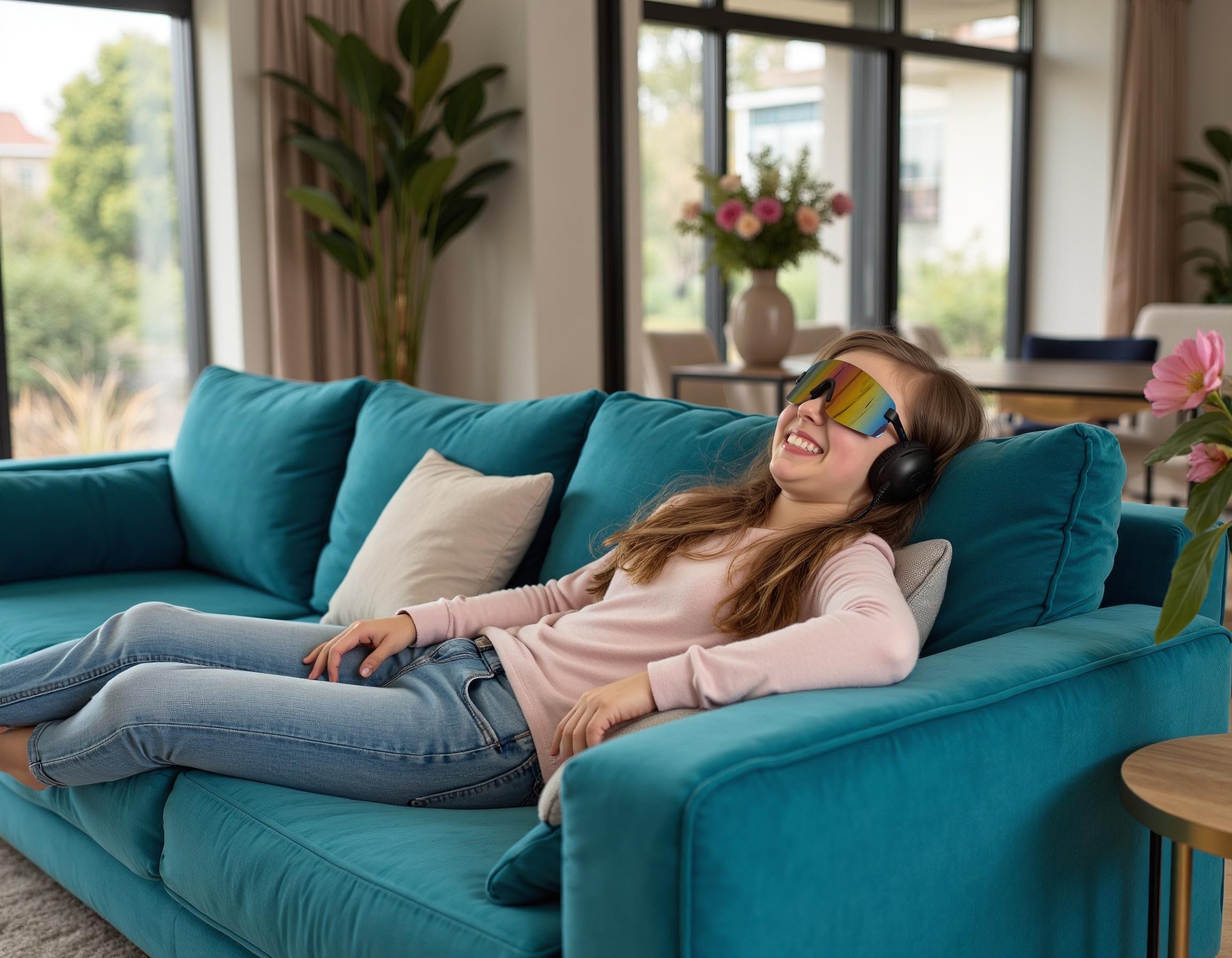
Set aside a few minutes a day for yourself! Take the first step toward a more balanced, calmer everyday life!
The Agytréner Program Process
Personal assessment and individual relaxation program plan
1. Get in Touch
Get in touch with us or book an appointment!
2. Personal Assessment
We get to know your goals and daily habits, and make recommendations based on them.
3. At-Home Program Plan
You carry out your personalized program from the comfort of your home, at your own pace.
4. Feedback and Fine-Tuning
We discuss your experience and adjust the program plan as needed.

Agytréner Devices – Programs and Options
Among the Agytréner devices, we recommend the DAVID Delight Plus and DAVID Delight Pro models. Both devices operate using audio-visual stimulation (AVE) technology; the DAVID Delight Pro also features CES (cranio-electro stimulation), which delivers a gentle, supplementary micro-current stimulus through ear-clip electrodes.
Discover the possibilities of the Agytréner devices, and let’s find the solution that suits you best, together!
Internationally Recognized, Multiple Award-Winning Device
Technology Innovation Grand Prize 2015


“2012 Light and Sound Mind Machine” Multiple Category Award Winner
Out of 12 categories, it won the following 5:
- Best Light and Sound Device
- Best CES Device
- Best Solution
- Tru-Vu Omniscreen Multi-Color Glasses – Best Accessory
- Outstanding Light and Sound Device Manufacturer

References
Sources for the claims made on this page regarding the effects of audio-visual stimulation (AVS/AVE). Works by authors affiliated with the manufacturer (Mind Alive Inc.) are marked separately.
- Siever, D. & Collura, T. (2017): Audio–Visual Entrainment: Physiological Mechanisms and Clinical Outcomes. In: Rhythmic Stimulation Procedures in Neuromodulation, Elsevier, 51–95. DOI: 10.1016/B978-0-12-803726-3.00003-1. Co-author is the manufacturer’s founder. Supplemented by: Collura, T. F. & Siever, D.: Auditory-visual entrainment in relation to mental health and EEG. In: Introduction to QEEG and Neurofeedback, Ch. 8 – this describes Adrian and Matthews’ (1934) observation that the brain’s alpha rhythm can be entrained by photic stimulation.
- Szabó Gergely – Szabó Csaba (2014): Practical Applications of Audio-Visual Stimulation. University of Debrecen, Faculty of Humanities, Institute of Psychology (TÁMOP 4.2.4.A/2-11-1-2012-0001). A review of 24 peer-reviewed studies; independent of the manufacturer. The authors recommend more rigorously controlled studies due to methodological inconsistencies.
- Fábián, T. K., Kovács, K. J., Gótai, L., Beck, A., Krause, W-R. & Fejérdy, P. (2009): Photo-acoustic stimulation: theoretical background and ten years of clinical experience. Contemporary Hypnosis, 26(4): 225–233. DOI: 10.1002/ch.389 – Semmelweis University, MTA KOKI; independent of the manufacturer.
- Furtado da Silva, V., Ribeiro, A. P., dos Santos, V. A., Nardi, A. E., King, A. L. S. & Calomeni, M. R. (2015): Stimulation by Light and Sound: Therapeutic Effects in Humans. Systematic Review. Clinical Practice & Epidemiology in Mental Health, 11: 150–154. Independent of the manufacturer; the authors note the low number of studies included.
- Tang, H-Y., Vitiello, M. V., Perlis, M. & Riegel, B. (2015): Open-Loop Neurofeedback Audiovisual Stimulation: A Pilot Study of Its Potential for Sleep Induction in Older Adults. Applied Psychophysiology and Biofeedback, 40: 183–188. DOI: 10.1007/s10484-015-9285-x – independent of the manufacturer; a small-sample (n=8) pilot study without a control group.
Important notice. Agytréner devices are intended for relaxation and general well-being purposes and are not medical devices. They are not suitable for preventing, detecting, treating, or curing any illness, and do not replace medical examination, diagnosis, or treatment. If you have an existing condition or illness, or are taking medication, consult your physician before use. The device must not be used by anyone with epilepsy or a predisposition to photosensitive seizures, or by anyone with a pacemaker or other implanted electronic device; the CES function is not recommended during pregnancy. The experiences described are individual user feedback, not guaranteed results.