





What can audio-visual stimulation offer in situations that demand concentration?
The Agytréner program works with audio-visual stimulation (AVE) technology: the light sources built into the glasses and the headphones deliver rhythmic light and sound pulses. It is a well-known phenomenon that the brain’s electrical activity can follow this kind of rhythmic stimulation (so-called photic and auditory entrainment)[1] – building on this, the programs offer variants for concentration, refreshment, and relaxation.
Attention and concentration are the foundation of learning, work, and everyday tasks. In a busy, stimulus-filled world, many people – children and adults alike – find it harder to stay on one task, and their thoughts easily scatter. At times like these, a calm, regular routine and conscious preparation for situations that demand concentration can make a real difference.
Would you like you or your child to be able to approach tasks with more composure?
took part in a Hungarian, controlled school AVS study[3]
whose results are summarized in the University of Debrecen’s independent, Hungarian-language AVS review[2]
Can you imagine you or your child sitting down to tasks more calmly and with greater composure, with homework causing less tension?
Interested in how the Agytréner program can fit into your or your child’s everyday life? Fill out the form and request personalized information!
In a small-sample (8-person) university study, the GPA of students who completed 30 AVS sessions improved over the school year, while the control group’s average declined.[6]
Discover how the Agytréner program works!
The key to the Agytréner program is its personalized approach. As a first step, in a personal assessment we get to know your goals, daily habits, and what time of day and what kind of programs would suit you best – whether that means getting into the right mindset before studying, focused work, or unwinding after the day. For children, a parent always takes part in the assessment and in shaping the program plan.
Based on the assessment, we put together an individual program plan and help you choose the right Agytréner device. With the device, you can do the program flexibly, from the comfort of your own home. The assessment is not a medical examination and does not replace a medical diagnosis.
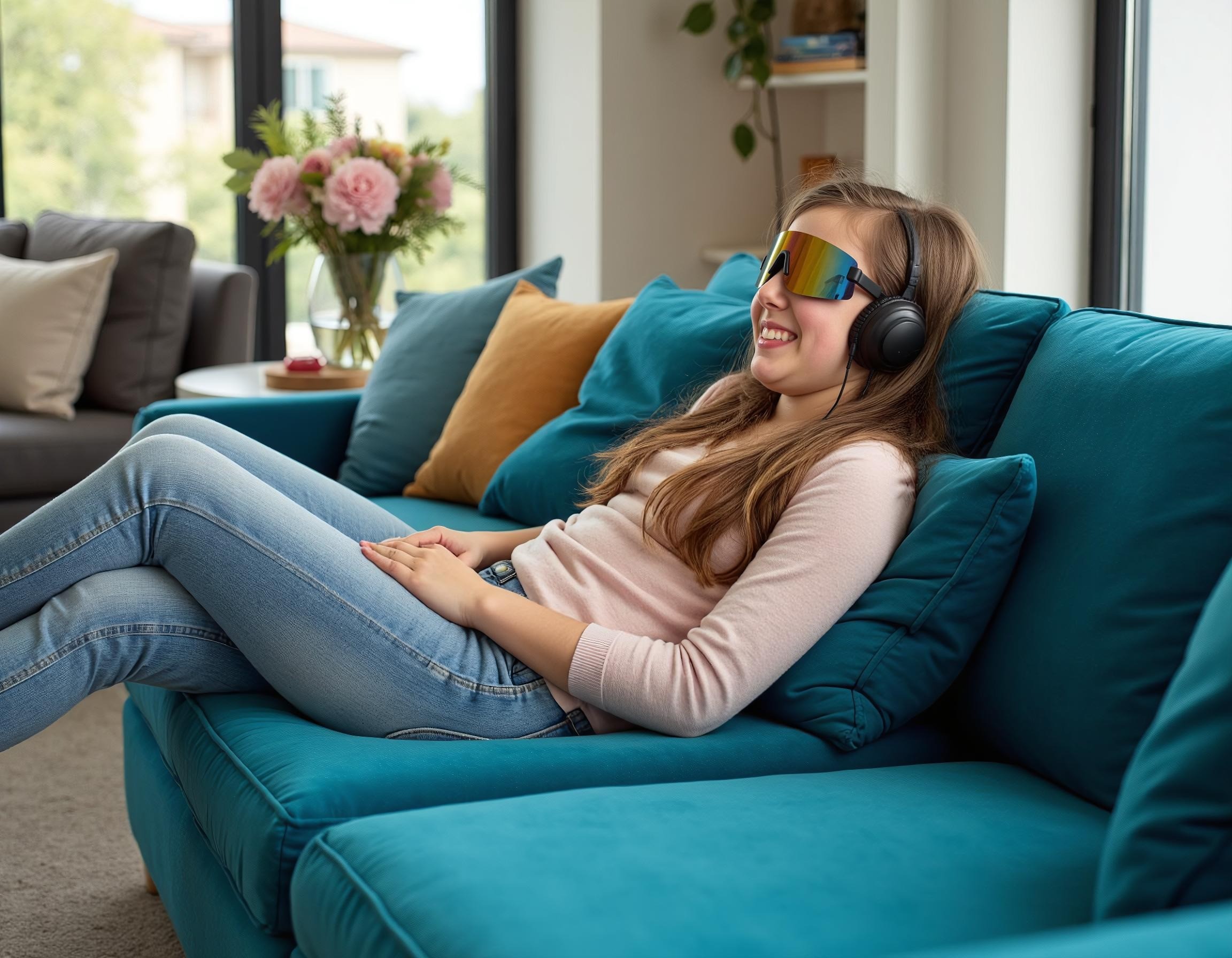
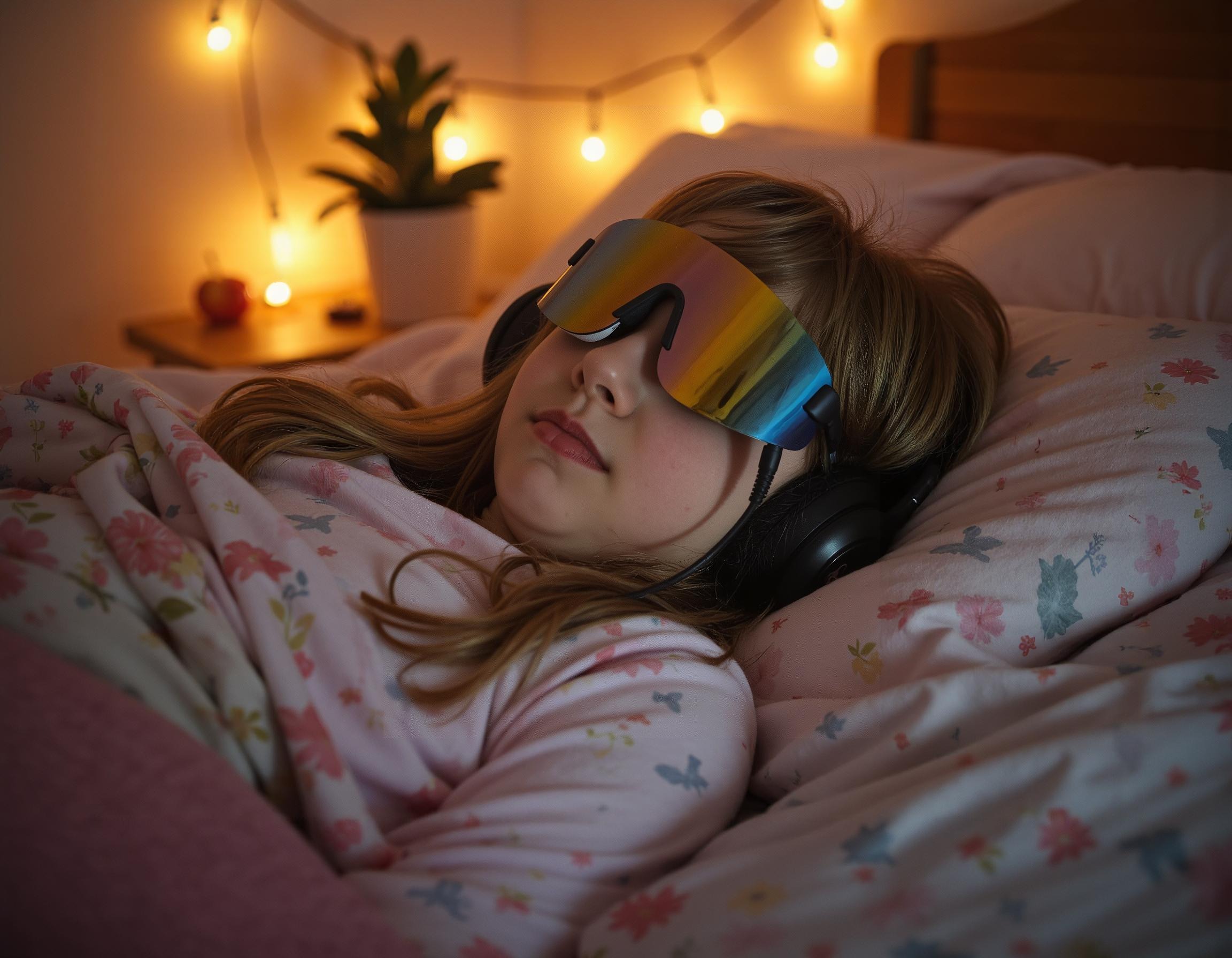
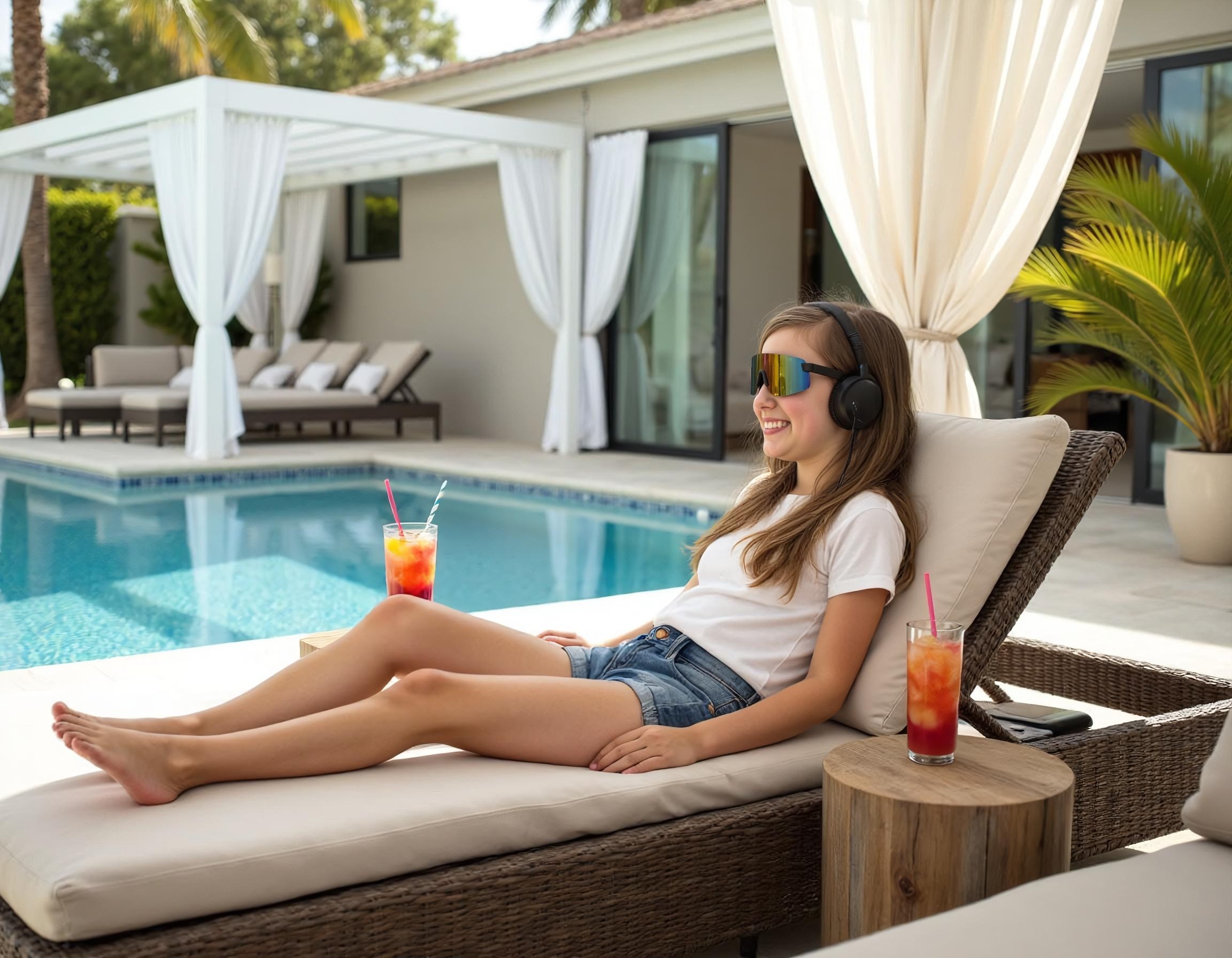
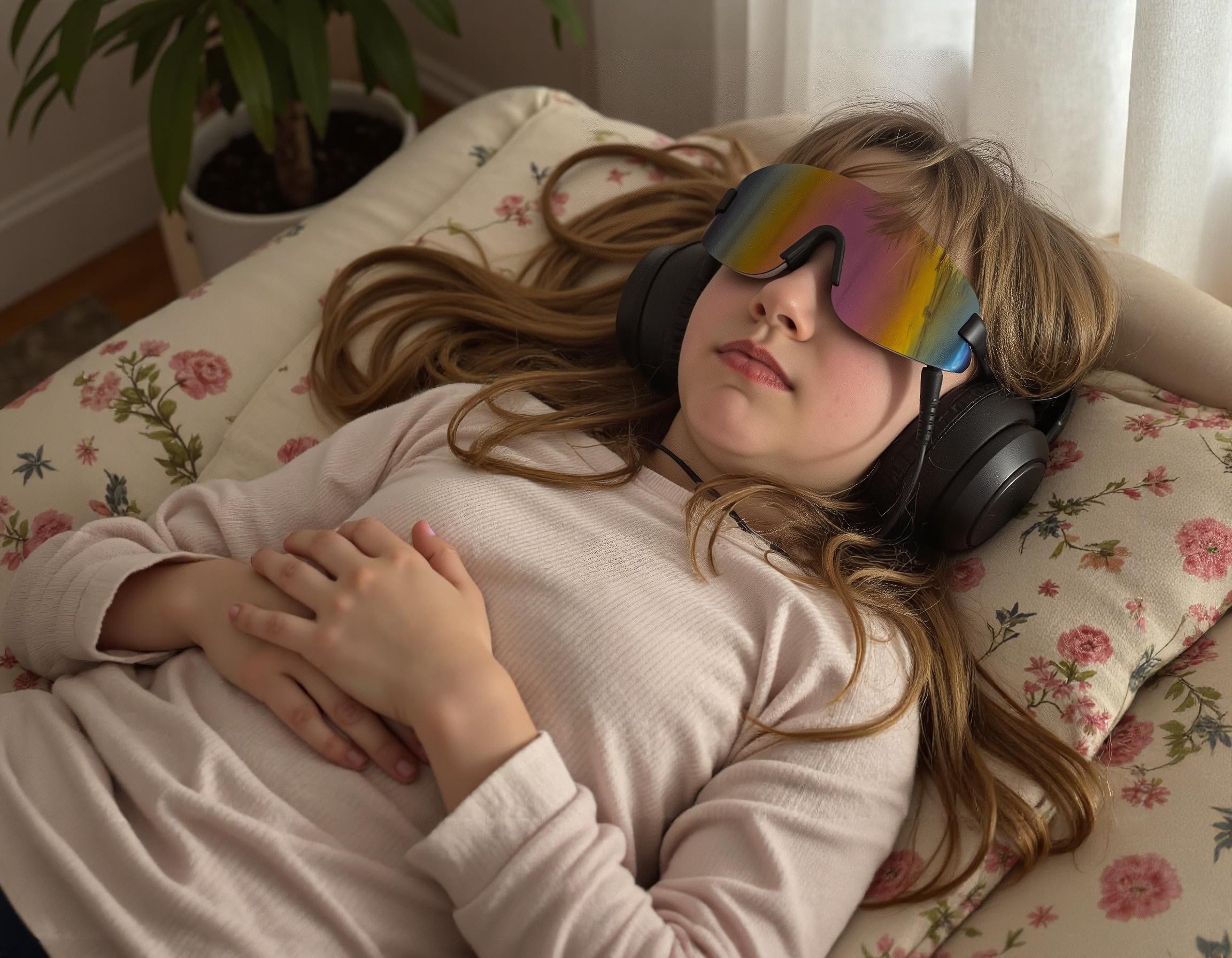
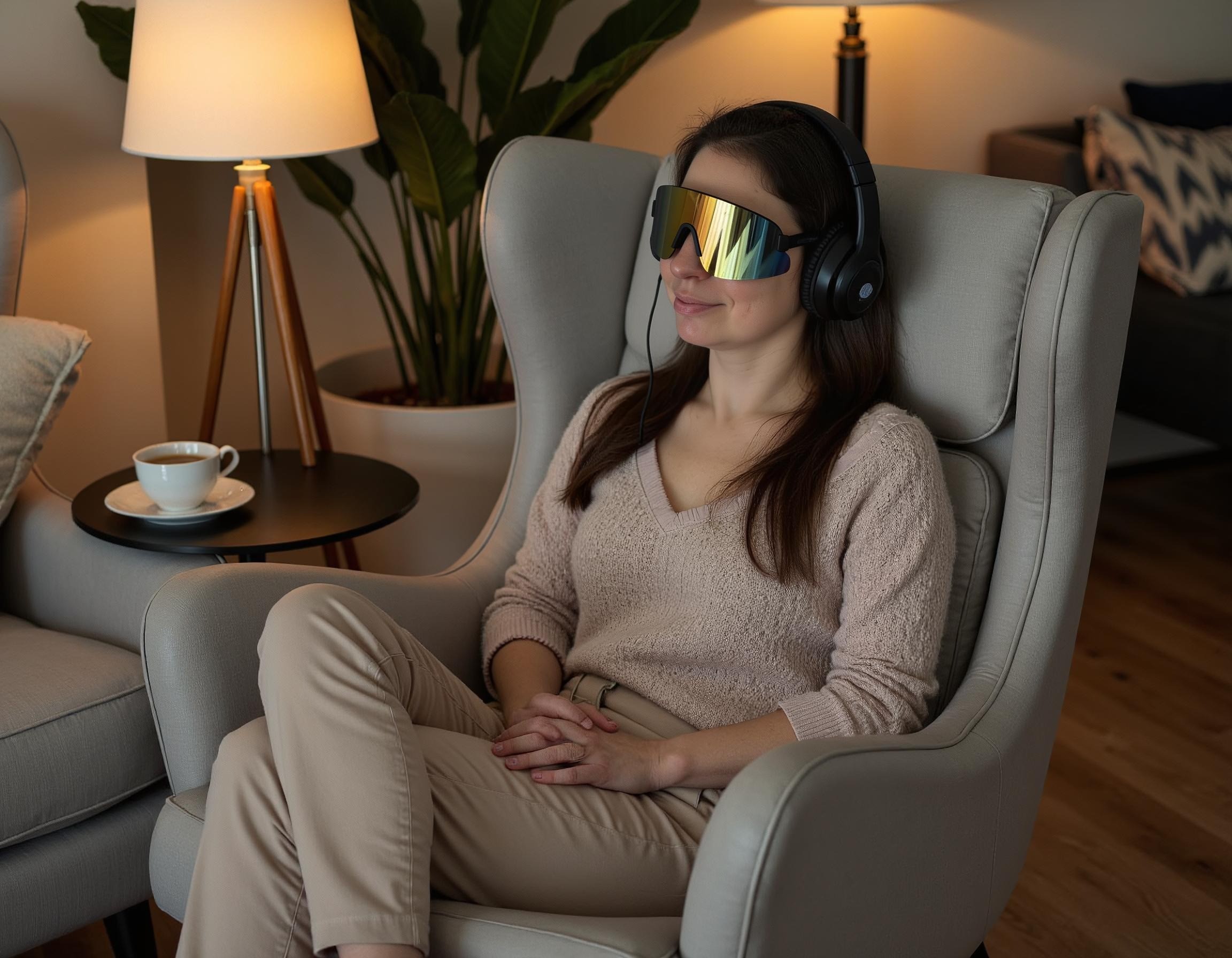
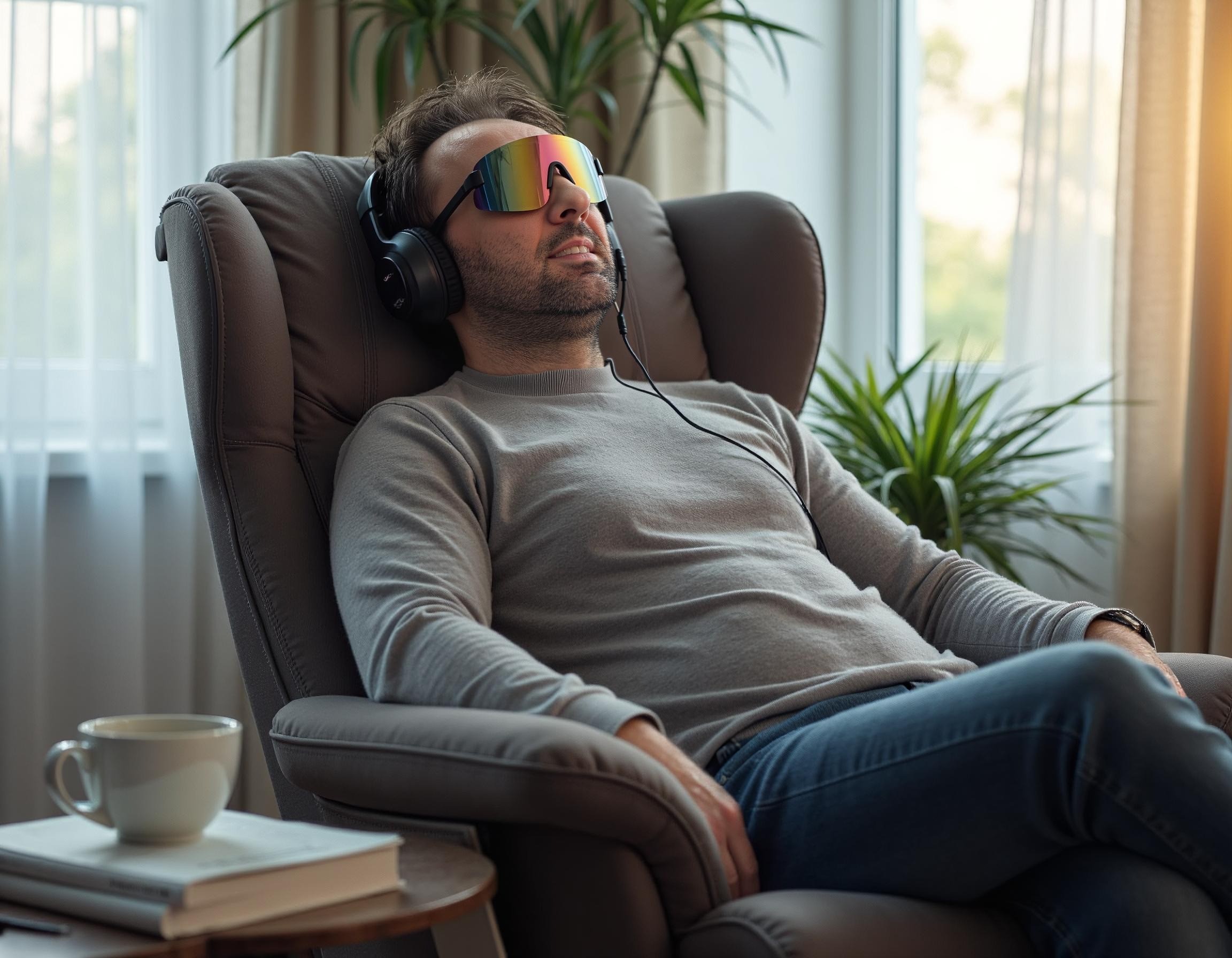
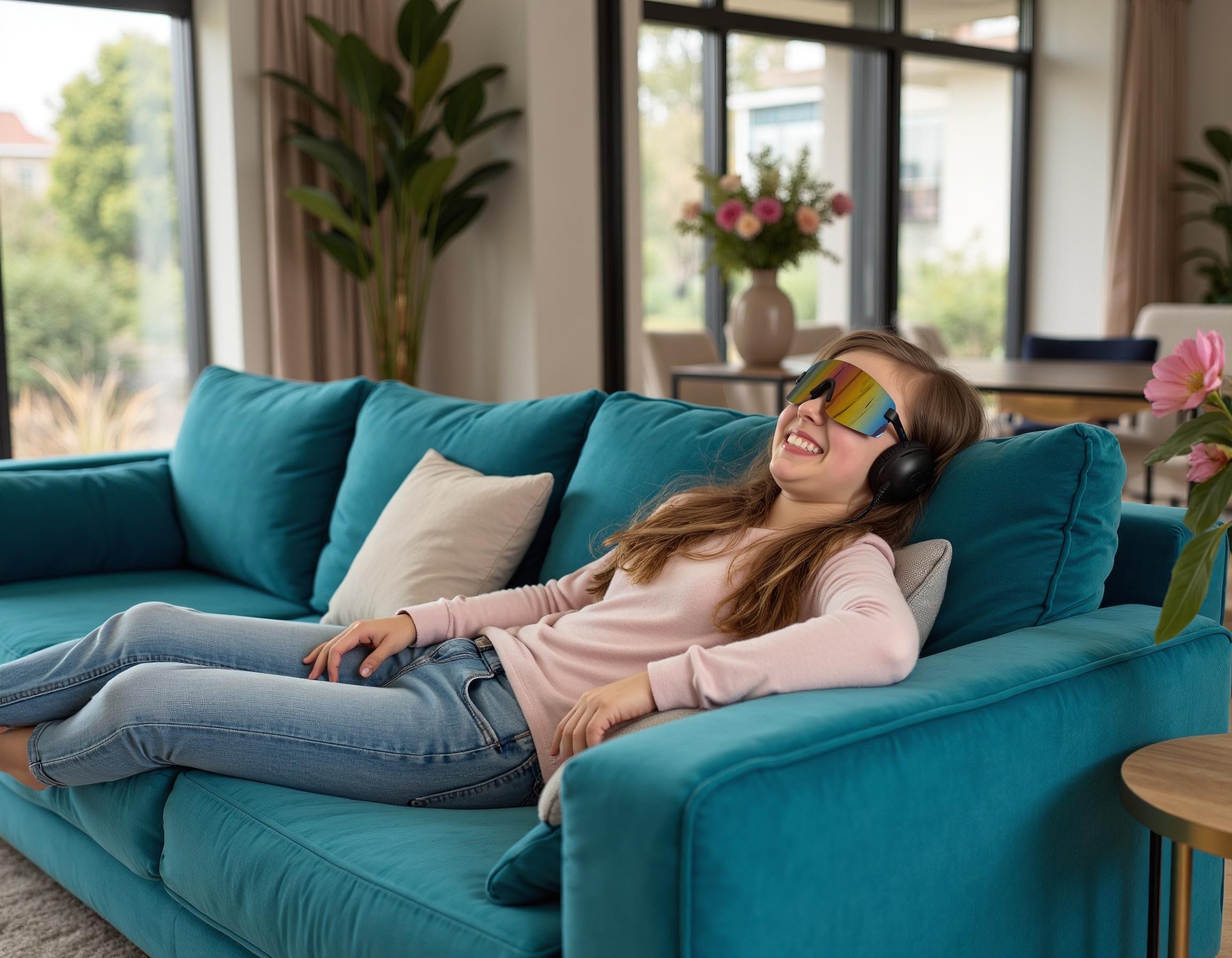
Take the first step toward more focused, calmer learning and work!
How the Agytréner Program Works
Personal Assessment and Individual Relaxation Program Plan
Why is working together with parents important?
For children, we always plan the program together with the parents: they know the child’s daily routine best, and they help ensure regular, safe use at home.
1. Get in Touch
Get in touch with us or book an appointment!
2. Personal Assessment
We get to know your goals and daily habits, and make a recommendation based on them.
3. At-Home Program Plan
You carry out your individual program in the comfort of your home, at your own pace.
4. Feedback and Fine-Tuning
We discuss your experience and adjust the program plan if needed.

Agytréner Devices – Programs and Options
Among the Agytréner devices, we recommend the DAVID Delight Plus and the DAVID Delight Pro. Both devices work with audio-visual entrainment (AVE) technology; the DAVID Delight Pro also features CES (cranio-electro stimulation), which delivers a gentle, supplementary microcurrent through ear-clip electrodes.
Discover what the Agytréner devices can offer, and let’s find the solution that suits you best, together!
An Internationally Recognized, Multiple Award-Winning Device
Technology Innovation Grand Prize 2015

Multiple-Category Winner at the “2012 Light and Sound Mind Machine” Awards
Out of 12 categories, it won the following 5:
- Best Light and Sound Device
- Best CES Device
- Best Solution
- Tru-Vu Omniscreen Multi-Color Glasses – Best Accessory
- Outstanding Light and Sound Device Manufacturer




References
Sources for the claims made on this page regarding the effects of audio-visual stimulation (AVS/AVE). Works by authors affiliated with the manufacturer (Mind Alive Inc.) are marked separately.
- Siever, D. & Collura, T. (2017): Audio–Visual Entrainment: Physiological Mechanisms and Clinical Outcomes. In: Rhythmic Stimulation Procedures in Neuromodulation, Elsevier, 51–95. DOI: 10.1016/B978-0-12-803726-3.00003-1. Co-author is the manufacturer’s founder. Supplemented by: Collura, T. F. & Siever, D.: Auditory-visual entrainment in relation to mental health and EEG. In: Introduction to QEEG and Neurofeedback, Ch. 8 – describing Adrian and Matthews’ (1934) observation that the brain’s alpha rhythm can be driven by photic stimulation.
- Szabó Gergely – Szabó Csaba (2014): Practical Applications of Audiovisual Stimulation. University of Debrecen, Faculty of Arts, Institute of Psychology (TÁMOP 4.2.4.A/2-11-1-2012-0001). A review of 24 peer-reviewed studies; independent of the manufacturer. The authors recommend more rigorously controlled studies due to methodological inconsistencies.
- Fischer Lászlóné, Mezőfi-Horváth Antónia & Pamula Miklós (2013): Comparative efficacy study of audiovisual stimulation at the Kiskőrös EGYMI (special education institute). Gyógypedagógiai Szemle (Special Education Review), 2013/4: 289–304. Independent of the manufacturer, controlled study (72 participants; both groups received development support, with the study group additionally attending one AVS session per week for seven months). The authors note that one of the measurement tools used (Think Fast) is not validated in Hungary.
- Fábián, T. K., Kovács, K. J., Gótai, L., Beck, A., Krause, W-R. & Fejérdy, P. (2009): Photo-acoustic stimulation: theoretical background and ten years of clinical experience. Contemporary Hypnosis, 26(4): 225–233. DOI: 10.1002/ch.389 – Semmelweis University, Hungarian Academy of Sciences Institute of Cognitive Neuroscience and Psychology (KOKI); independent of the manufacturer.
- Furtado da Silva, V., Ribeiro, A. P., dos Santos, V. A., Nardi, A. E., King, A. L. S. & Calomeni, M. R. (2015): Stimulation by Light and Sound: Therapeutic Effects in Humans. Systematic Review. Clinical Practice & Epidemiology in Mental Health, 11: 150–154. Independent of the manufacturer; the authors note the small number of studies included.
- Budzynski, T., Jordy, J., Budzynski, H. K., Tang, H-Y. & Claypoole, K. (1999): Academic performance enhancement with photic stimulation and EDR feedback. Journal of Neurotherapy, 3(3): 11–21. Small-sample (8 participants) study of university students needing academic support; the program combined photic stimulation with electrodermal response (EDR) feedback. Described in: Siever, D. (2012), Mind Alive Inc. – manufacturer summary.
Important information. Agytréner devices are intended for relaxation and general well-being and are not medical devices. They are not suitable for preventing, detecting, treating, or curing any illness, and they do not replace medical examination, diagnosis, or treatment. If you have an existing condition or illness, or are taking medication, please consult your doctor before use. The device must not be used by people with epilepsy or a predisposition to photosensitive seizures, or by anyone with a pacemaker or other implanted electronic device; the CES function is not recommended during pregnancy. The experiences described are individual user feedback, not guaranteed results.